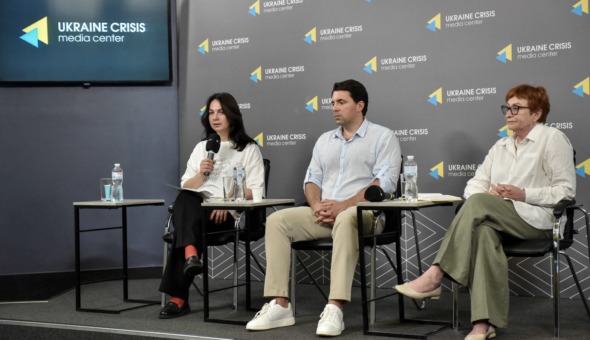

In Kyiv, the National Interests Advocacy Network “ANTS” presented a study on the impact of the current local tax administration system on the financial autonomy of communities. During the event, representatives of local self-government bodies, experts, and analytical centers discussed how limited community powers in tax administration affect local budget revenues and hinder community development in times of war.
The event’s moderator, Yuliia Vusenko, a local self-government expert for the “ANTS” Network, emphasized that today communities are often responsible for territorial development but lack sufficient tools to effectively control their own tax revenues.
“Without strengthening the financial autonomy of communities, it will be difficult to talk about real decentralization. Local self-government bodies must have not only responsibility but also real tools to influence the formation of their own revenues,” noted Yuliia Vusenko.
The survey was conducted in January 2026 among united territorial communities via an online questionnaire. The study combines legal analysis, financial statistics, and the practical experience of communities interacting with tax authorities. The authors emphasized that the current system often prevents local self-government bodies from effectively influencing the administration of their own tax revenues, while closed tax information and limited access to data lead to significant financial losses for local budgets.
Anatolii Tkachuk, Director of the Civil Society Institute, stressed that strong local self-government is impossible without giving communities real access to resources and tax information.
“If a community does not see the full picture regarding taxes in its territory, it cannot effectively plan development, attract investments, and manage its finances. We must move from declarative decentralization to the real empowerment of communities,” emphasized Anatolii Tkachuk.
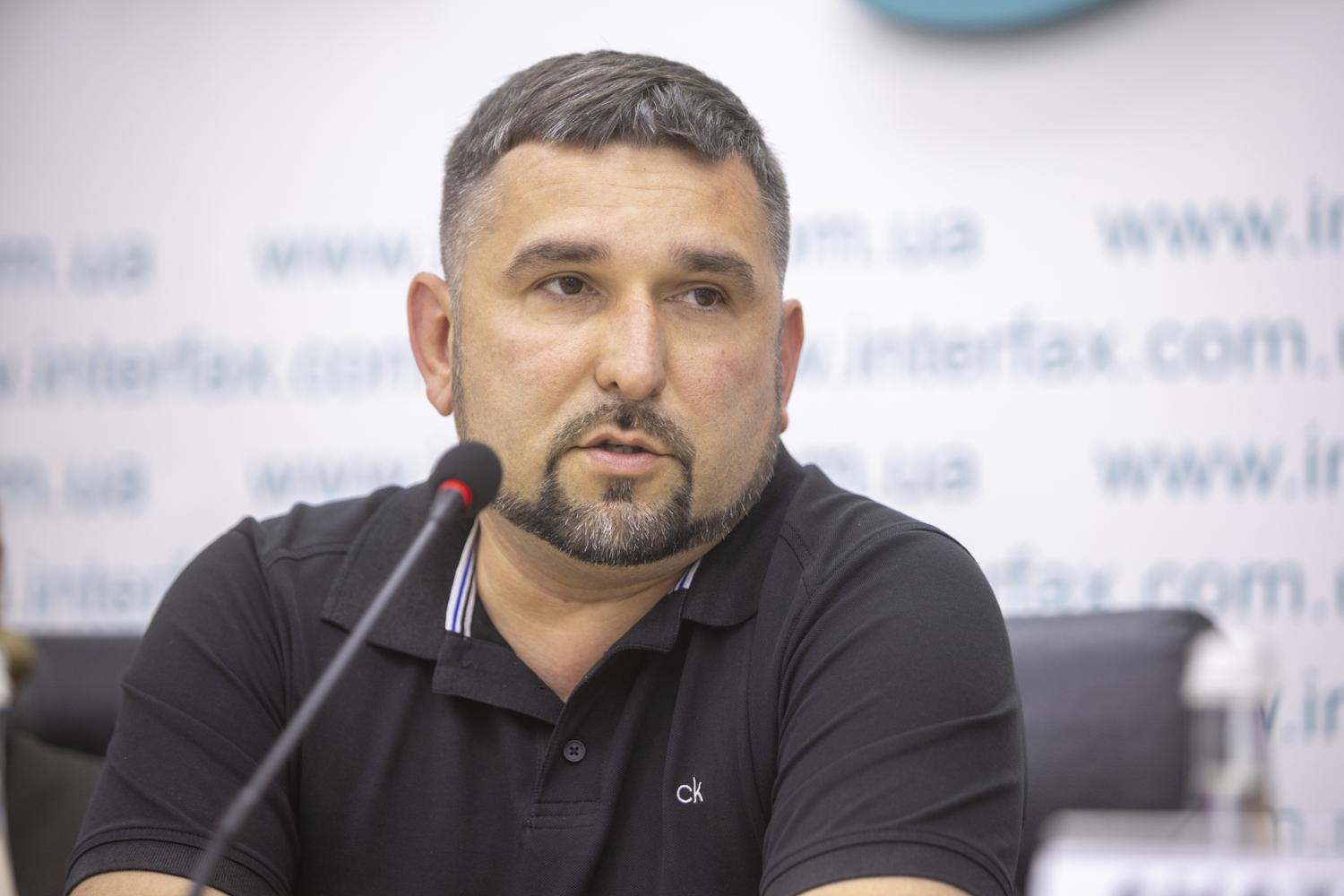
Dmytro Hopanchuk, Deputy Mayor of Boryspil, explained what this challenge looks like in practice:
“The problem is the lack of integration between registers. A community loses approximately 10% — and that is an optimistic figure… For example, the verification of sold property is very weak and slow — people who are no longer owners are billed, and the new owner receives no notifications,” noted Hopanchuk.
Proposed solutions for integration: unifying databases, street names, and all registers, following the example of how it was done for mobilization matters. Creating a mobile platform for taxpayers based on the “Diia” app.
The discussion participants also addressed the problems of administering property tax, land tax, and the single tax, along with the need for legislative changes to strengthen the financial capacity of communities.
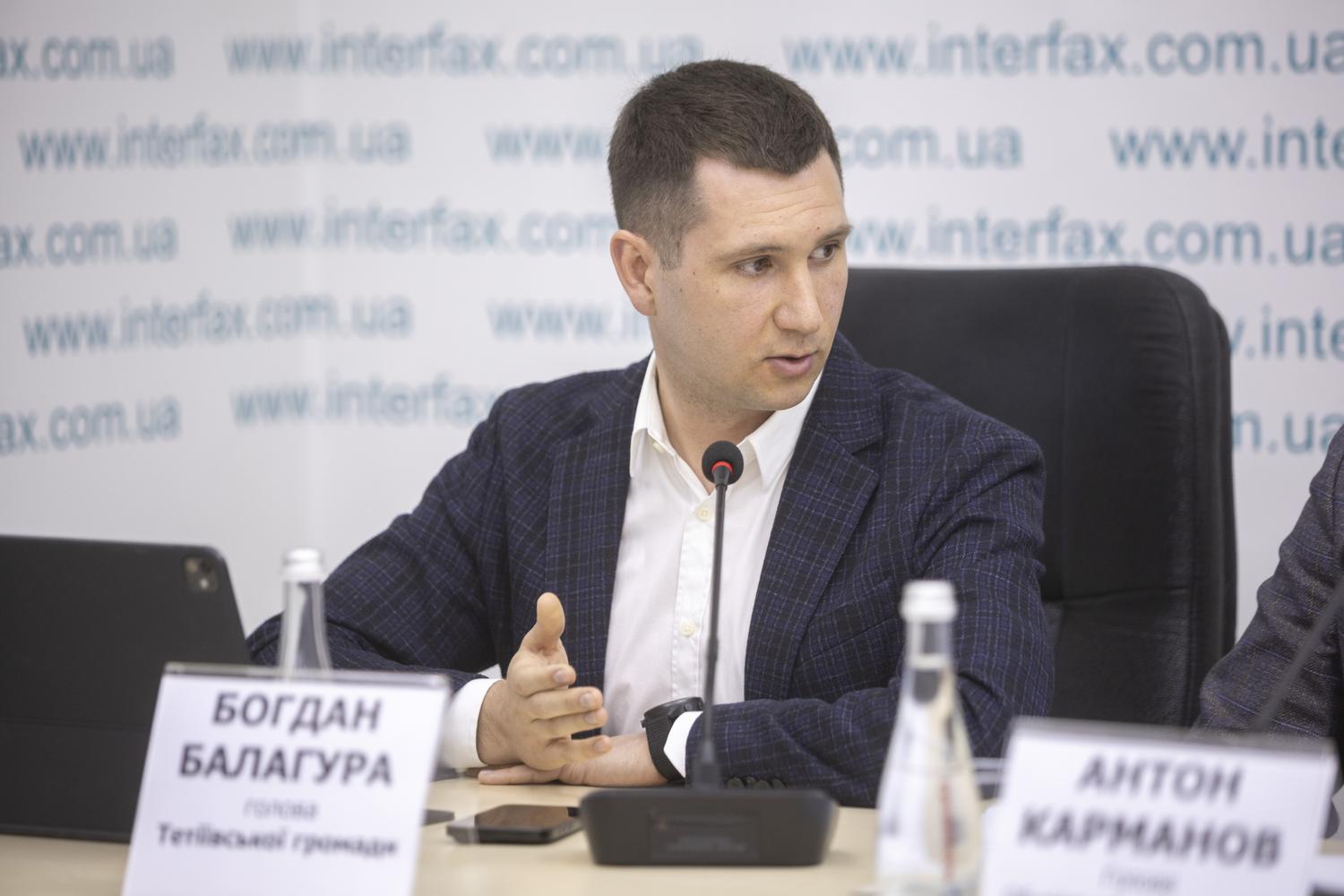
Bohdan Balahura, Head of the Tetiiv community, emphasized that in practice, communities often see problems with tax administration but lack sufficient influence to solve them.
“Because of this, local budgets lose resources that could go toward infrastructure development, supporting people, and community security,” stressed Bohdan Balahura.
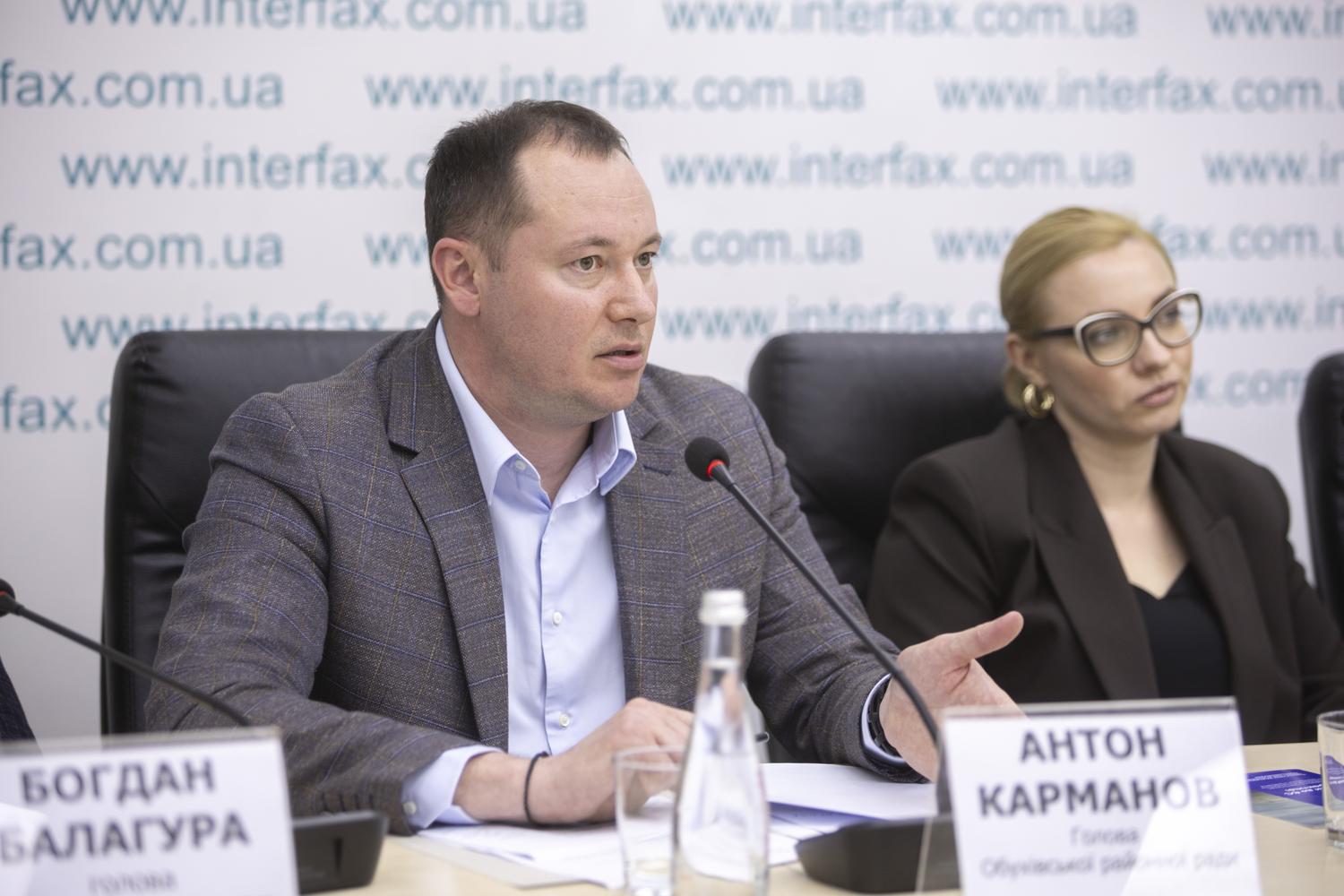
Participants also drew attention to a cultural challenge: the lack of a responsible attitude toward paying taxes and a poor understanding of the connection between local revenues and the quality of services in the community. Anton Karmanov, Head of the Obukhiv District Council, noted:
“The Tax Code clearly states: you pay taxes at your place of residence, not your place of registration. But there is no liability for violations. A control function from local self-government bodies — not administration, not collection, but control — must exist,” emphasized Karmanov.
Anna Valevska, Regional Coordinator of the “ANTS” Network, drew attention to the critical situation in the communities of the Sumy region and other border areas:
“We have communities that do not exist — I call them phantom communities because they only exist de jure. The Budget Code does not see this; the government does not see this. In the Sumy region, FPV drones attack not just civilian cars — they attack children. Yet these communities are placed under the same conditions as communities in the Ivano-Frankivsk region,” noted Valevska.
She highlighted the need to develop a separate policy tailored to the realities of border and frontline communities. Additionally, she stressed the necessity of returning the military Personal Income Tax (PIT) to bolster these communities.
Ihor Krupka, Head of the Analytical Department of the “ANTS” Network, emphasized that the issue of communities’ financial capacity today is directly related not only to local development but also to the resilience of the state during the war. According to him, amidst a full-scale war, communities provide a significant portion of people’s basic needs — they support critical infrastructure, assist internally displaced persons, cooperate with the military, and respond to local security challenges. At the same time, limited access to tax information and insufficient powers in local tax administration significantly narrow their ability to effectively manage their resources.
“Effective administration of local taxes is not merely an issue of local development. It is a matter of the communities’ ability to support critical infrastructure, help people, and ensure the basic resilience of the country in wartime conditions. The financially stronger the communities are, the stronger the entire state will be,” noted Ihor Krupka.
Special attention during the event was given to international experience in strengthening the role of municipalities in tax management and the possibilities of adapting such practices in Ukraine.
Participants agreed that systematically resolving these challenges requires a comprehensive set of changes: digitalization and integration of state registers, expanding information access for Local Self-Government Bodies, simplifying mechanisms for tax assessment, developing a separate state policy for frontline territories.
The event took place within the framework of the project “Stronger Europe, United Front: Advancing Ukraine’s EU Membership for Greater Resilience and Security,” implemented by the NGO “National Interests Advocacy Network ‘ANTS’” with the financial support of the European Union.