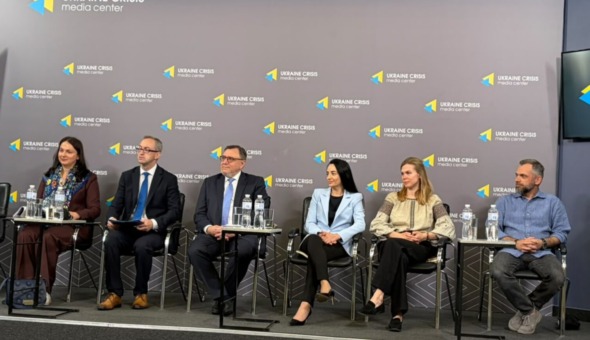
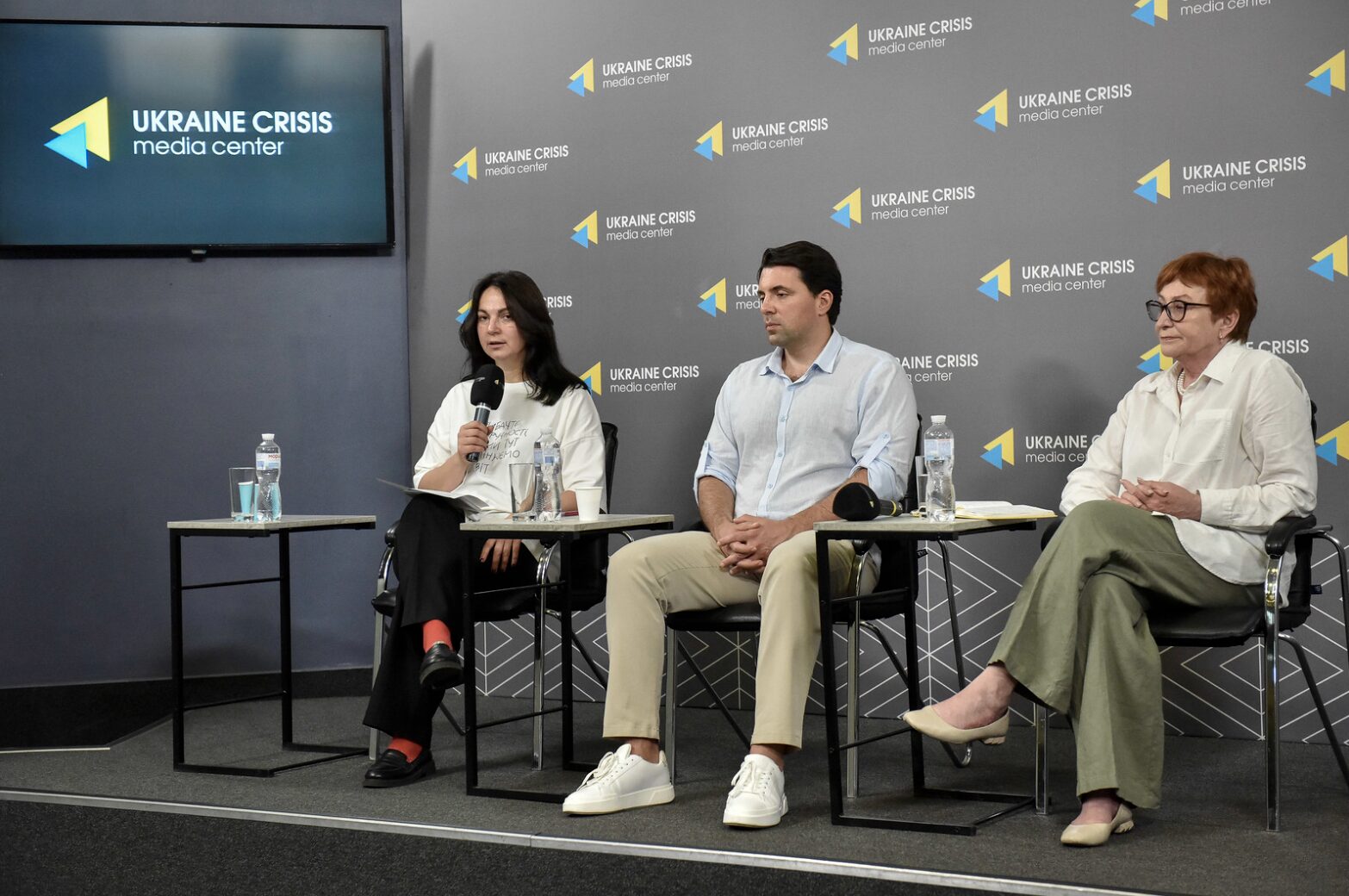
Is Ukraine ready for the 2026-2027 winter amidst the war, constant attacks on energy infrastructure, and growing challenges for communities? Despite numerous statements about preparations for the new heating season, experts warn: the key problems remain the shortage of generating capacities, the lack of a systemic approach to the development of decentralized generation, and insufficient coordination between the state and communities. These very issues became the subject of the expert discussion «Energy Security of Ukraine: Preparation for Winter or Imitation of Management», which took place on June 11 at the Ukraine Crisis Media Center at the initiative of the National Interests Advocacy Network «ANTS». Opening the discussion, Hanna Hopko, Chairwoman of the Board of the organization, emphasized that today Ukraine must prepare not only for another heating season but for a prolonged war, in which energy resilience is one of the key elements of national security. She drew attention to the fact that international partners continue to allocate significant financial resources to Ukraine for the restoration and support of energy infrastructure, but it is important to evaluate not only the volume of funds attracted but also the efficiency of their use.
«We must honestly answer the question: were the funds of Ukrainian taxpayers and our international partners invested in preparing the country for a long war, and not just for another prolonged winter? Today, Ukraine continues to seek additional billions of dollars to prepare for the next heating season, but society and partners have the right to understand how efficiently the already available resources are being used and whether we are getting a result that makes our energy system more resilient to the challenges of war», noted Hanna Hopko.
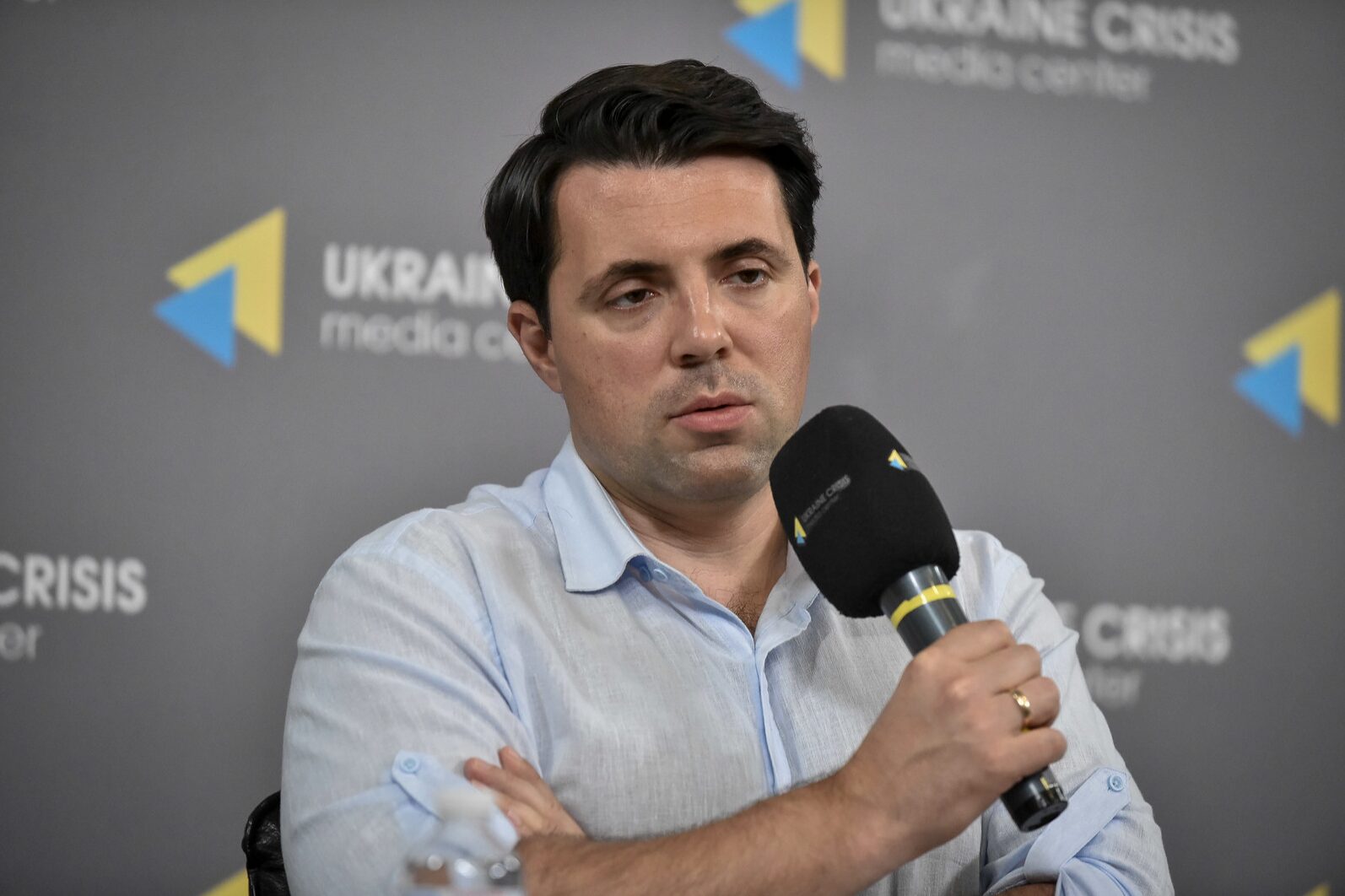
Former Chairman of the Management Board of NPC Ukrenergo Volodymyr Kudrytskyi drew attention to the fact that the main lesson of recent years lies in the vulnerability of the traditional centralized energy model to modern missile and drone attacks. According to him, the main cause of energy crises remains not the condition of the networks, but the lack of generating capacities. That is why the true criterion of readiness for the next winter is not the number of established headquarters or restored facilities, but the volume of new generation that has been built and commissioned.
«The main marker of preparation for making the next winter easier, rather than harder than the previous one, is how many new power plants we have built. How much alternative capacity we have created to complement the traditional generation that is under constant enemy fire. Unfortunately, today we see more presentations and loud statements than real work. Simply restoring what was destroyed is not enough. Every year we irretrievably lose a part of traditional generation, so without the development of new capacities and decentralized generation, the coming winters will not become any easier», emphasized Volodymyr Kudrytskyi.
During the discussion, Volodymyr Kudrytskyi paid special attention to the issue of financing winter preparations and the need for 5 billion dollars voiced by the authorities to restore and strengthen the energy system. In his opinion, society and international partners should receive a clear justification for such requests, and the discussion itself must be based on concrete calculations, not declarative figures.
«I do not see calculations that would explain the need for exactly 5 billion dollars. If we talk about the restoration of damaged generation, the protection of energy facilities, and standard preparation for the heating season, then even with a very large margin, we are talking about much smaller amounts, around 1.7 billion maximum. The problem is not only the availability of funds. Money itself does not generate electricity. Even with financing, clear projects, effective management, and timely implementation of decisions are necessary. Without this, no amount of money guarantees readiness for winter», noted Volodymyr Kudrytskyi.
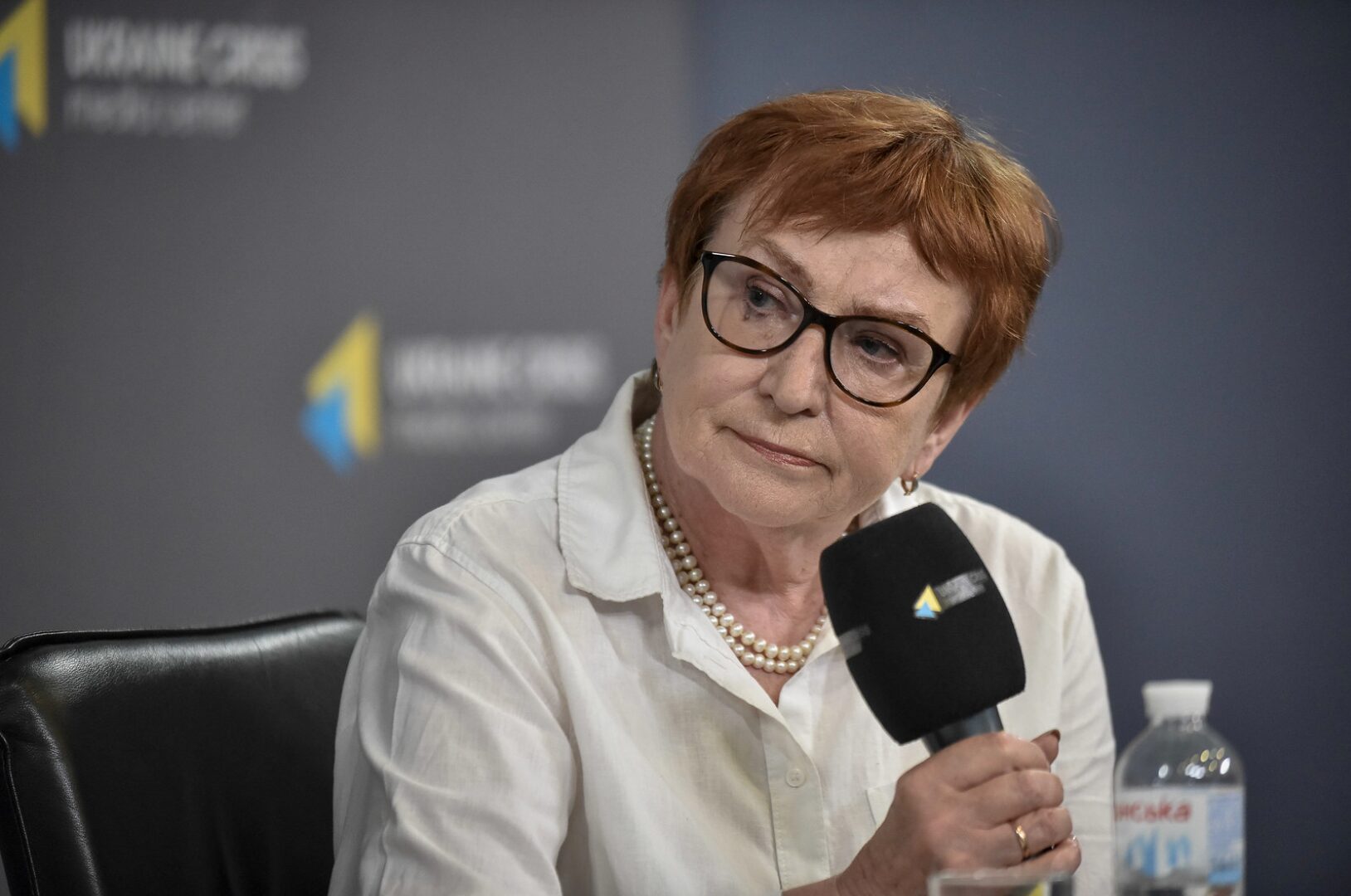
Leading nuclear energy expert Olha Kosharna emphasized that Ukraine needs to move away from outdated approaches to energy development and focus on creating a flexible, decentralized system capable of operating in wartime conditions. She is convinced that private investments, modern technologies, and a clear state strategy for the development of the energy sector should play a key role in this process. At the same time, she warned against concentrating resources on long-term projects that are unable to strengthen the country’s energy resilience in the coming years.
«The era of large energy projects and mega-units is effectively ending. Ukraine must bet on decentralized generation, modern technologies, and the attraction of private investors. I do not see a prospect for the state or state-owned companies to independently ensure the necessary development of new capacities. The future of Ukrainian energy is private investments, new technologies, and clear rules of the game for business. At the same time, the state must form a clear plan for the development of the energy system and provide communities with methodological and technical support, rather than leaving them face to face with these challenges», noted Olha Kosharna.
The position of Bilopillia Mayor Yuriy Zarko sounded particularly acute during the discussion, as he described the real situation in the border community of the Sumy region, which is under constant Russian shelling. According to him, for many communities, the issue of preparing for winter today goes far beyond discussions about energy strategy or system modernization — it is about the basic ability to provide people with light, water, and communication during daily attacks. He also pointed out that a significant portion of state decisions does not take into account the specifics of frontline territories, which require separate approaches to energy security and the protection of critical infrastructure.
«We are often told about preparing for winter, but in our conditions, the main question is whether there will be anything to prepare. In the community, transformers, generators, and equipment are being destroyed. There are situations when, even if there is a generator, it is impossible to start it because the facilities are under the constant control of enemy drones. We asked for a cogeneration unit, we were ready to install and operate it, but we received the answer that the community is located too close to the border. In fact, they made it clear to us: your survival is your problem», emphasized Yuriy Zarko.
The mayor also drew attention to the need for greater energy autonomy for communities and households, in particular through support for the installation of solar panels, energy storage systems, and other local power sources.
«If the state really wants to strengthen the resilience of communities, it needs to invest not in more beautiful presentations, but in concrete solutions for people. Every house, every community must be given the opportunity to become more energy independent. For border territories, this is no longer a matter of comfort or savings — it is a matter of survival», stressed Yuriy Zarko.