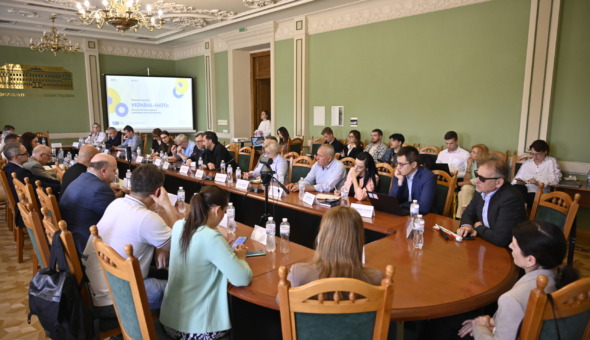
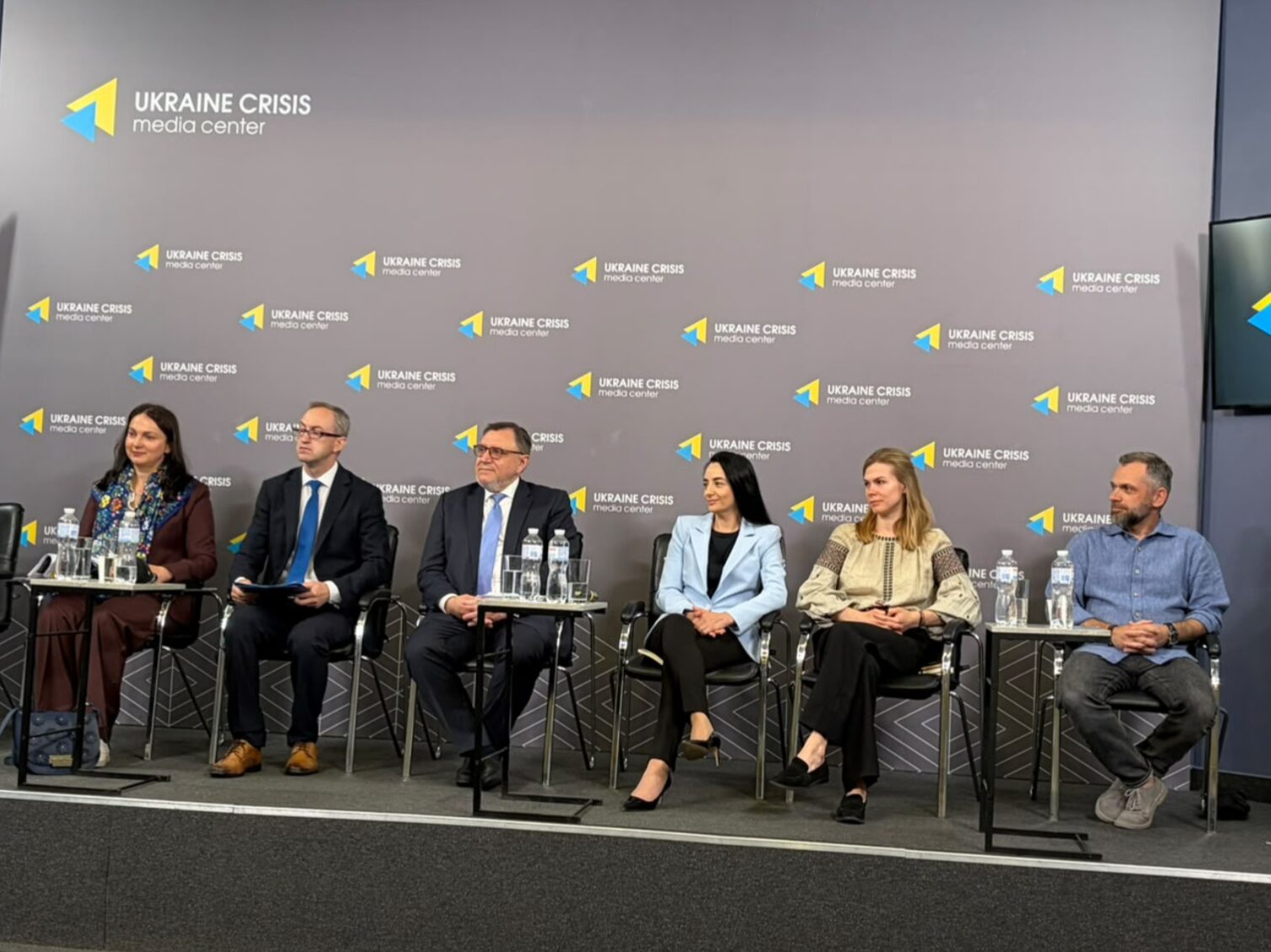
On the eve of the NATO summit in Ankara, Ukraine must move from discussions about support to concrete decisions regarding strengthening defense capabilities, developing the defense industry, and advancing toward Alliance membership. These very issues took center stage during the roundtable “Ukraine – NATO on the Eve of the Ankara Summit: From Mutually Beneficial Partnership to Membership”, organized by the National Interests Advocacy Network “ANTS”. The discussion was attended by representatives of the Verkhovna Rada of Ukraine, the Ministry of Foreign Affairs, the Ministry of Defense, leading think tanks, and civil society. Participants discussed Ukraine’s expectations from the NATO summit, our state’s contribution to the security of the Euro-Atlantic space, and the key decisions necessary to strengthen common security.
The Chairwoman of the Board of the National Interests Advocacy Network “ANTS”, Hanna Hopko, emphasized that the NATO summit in Ankara should become a platform for making decisions that will make it possible to strengthen Ukrainian defense capabilities today and outline a long-term vision for security in the Black Sea region. According to her, Ukraine should make the most of this summit to convey its priority needs to the allies—primarily in the field of air defense—as well as to form a strategic agenda centered around Ukraine’s victory and the de-occupation of Crimea.
“On the eve of the NATO summit, we must talk not just about political declarations, but about concrete decisions. Our primary task is to cover Ukraine’s most urgent needs, primarily to obtain additional missiles for Patriot systems and other means of air and missile defense. This is a matter of Ukrainians’ lives. But we must also talk about the strategic goal. The summit is taking place in Turkey—a country that well remembers the lessons of the Crimean War. Just as the Russian Empire lost the Crimean War 170 years ago, so today Russia must suffer defeat, and Ukrainian Crimea must be de-occupied. It is precisely this vision that should underlie the allies’ long-term security policy in the Black Sea region”.
Hopko also noted that another massive Russian attack on the eve of the NATO summit once again demonstrated: the issue of strengthening Ukraine’s air defense can no longer be postponed. According to her, the allies already today have all the capabilities to transfer additional air defense systems and missiles for them to Ukraine, because it is the speed of decision-making that determines how many lives can be saved.
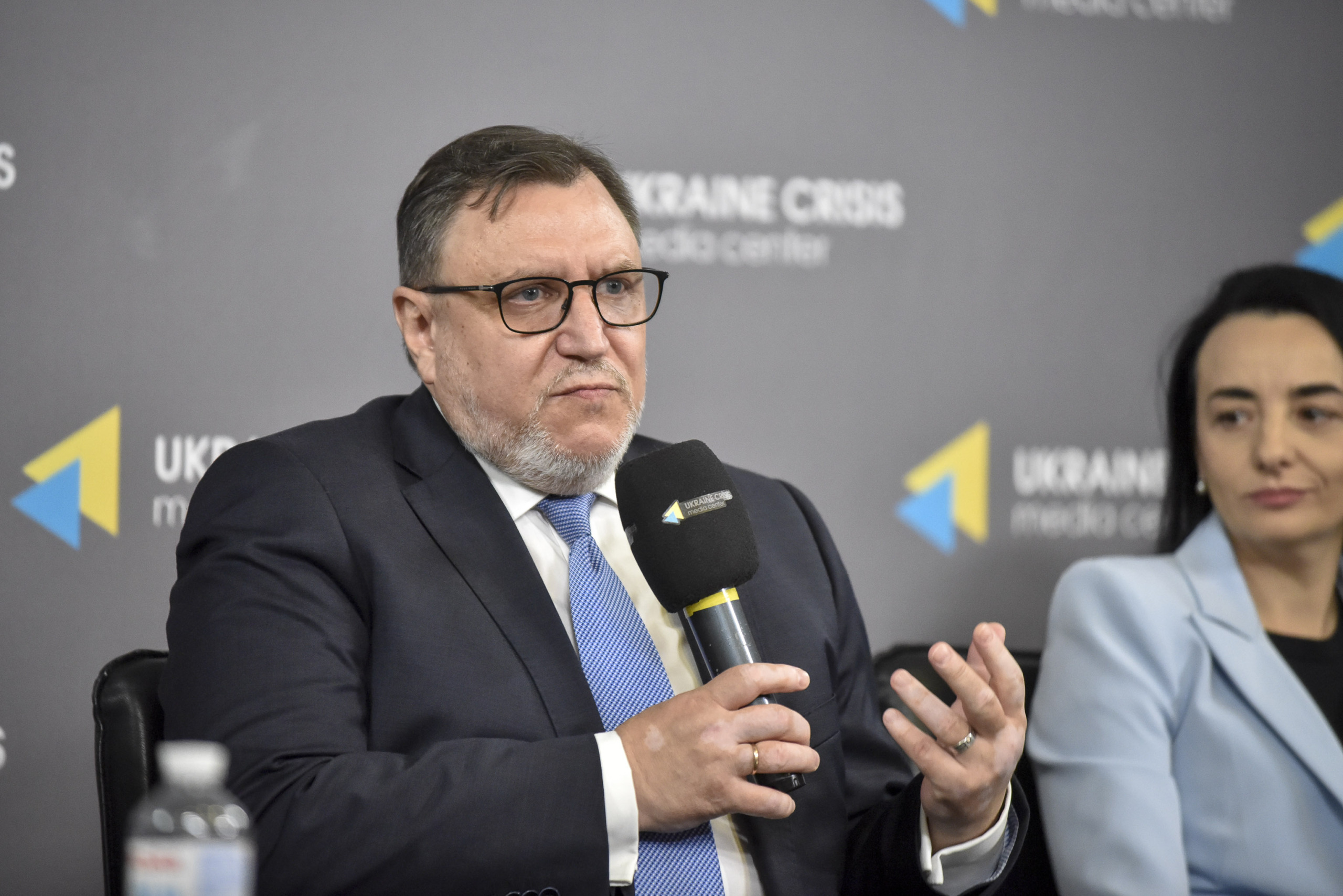
Ambassador at Large of the NATO Department of the Ministry of Foreign Affairs of Ukraine, Andrii Pravednyk, drew attention to the fact that the upcoming summit in Ankara is important not only from the perspective of political support for Ukraine, but also as evidence of a change in the role of our state within the Euro-Atlantic security system. According to him, the participation of the President of Ukraine in the summit, the meeting of the NATO-Ukraine Council at the level of foreign ministers, and the Defense Industries Forum demonstrate that the allies increasingly perceive Ukraine as an equal partner who not only receives assistance but also makes a significant contribution to strengthening the Alliance’s security. An important signal is also that support for Ukraine and investments in the Ukrainian defense industry will be counted toward the new defense commitments of NATO member states.
“Today, Ukraine is not just a state that needs support. We have already become an important component of European security and are making our own contribution to creating a new security architecture. The fact that assistance to Ukraine and investments in our defense industry are counted as part of the new defense commitments of NATO countries testifies to a fundamentally new perception of Ukraine. The Alliance increasingly views us as a partner who strengthens common security and contributes to the development of European defense capabilities”.
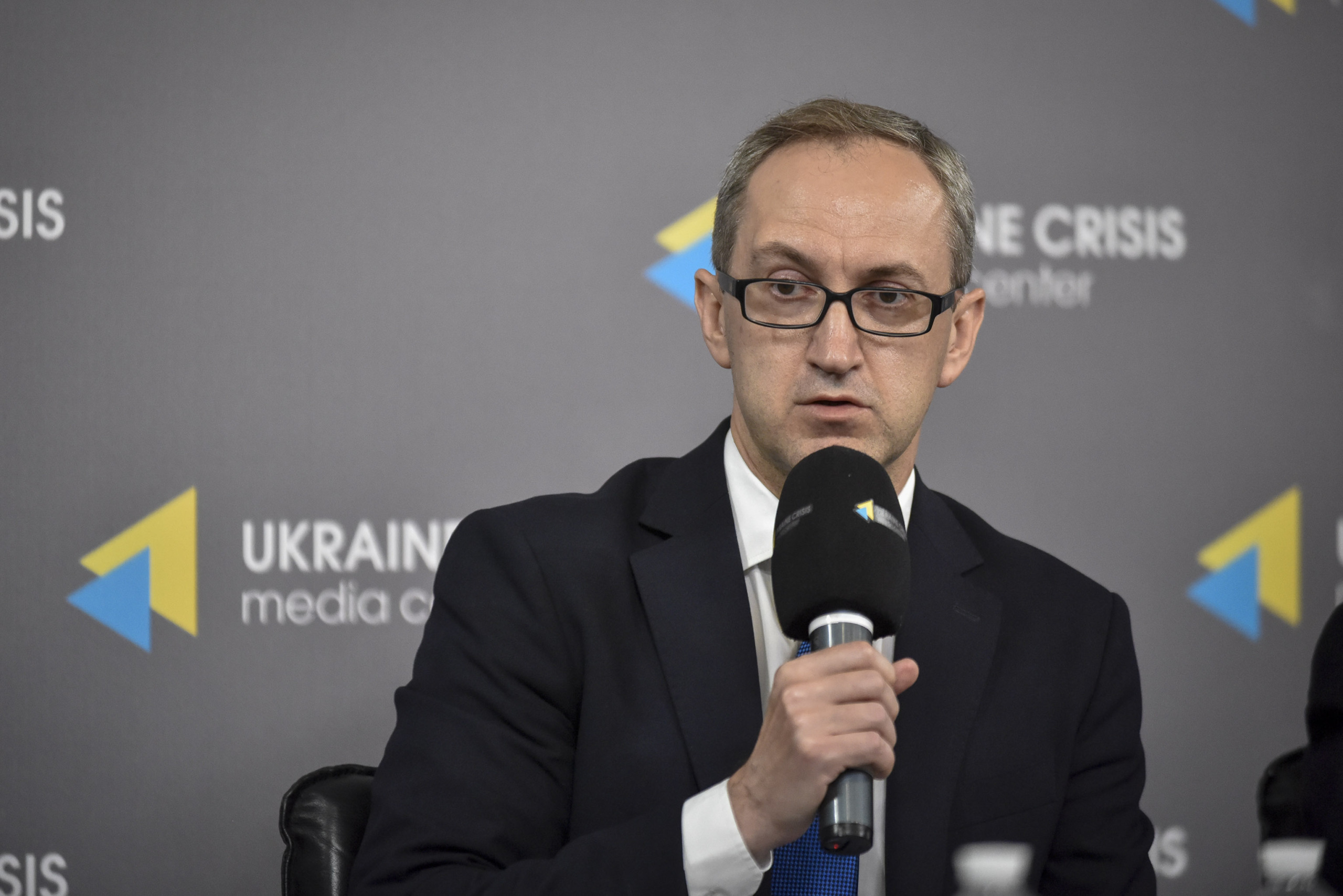
Member of Parliament of Ukraine Andriy Levus noted that, despite the importance of international support, Ukraine’s further advancement toward NATO membership largely depends on implementing its own reforms. According to him, today Ukraine has a unique window of opportunity, but it must be backed up by concrete steps within the country. This primarily concerns reforming the security and defense sector, strengthening democratic and parliamentary control over special services, updating legislation in accordance with Alliance standards, and forming a broad political consensus on Euro-Atlantic integration regardless of internal political competition.
“There are factors that do not depend on us—the international situation, political processes in partner countries, decisions of the allies. But there is also our homework. We must complete the reforms of the security sector, strengthen democratic control, update legislation in accordance with NATO standards, and develop a common political position on Euro-Atlantic integration. Issues of national security and NATO membership must remain beyond the bounds of internal political confrontation”.
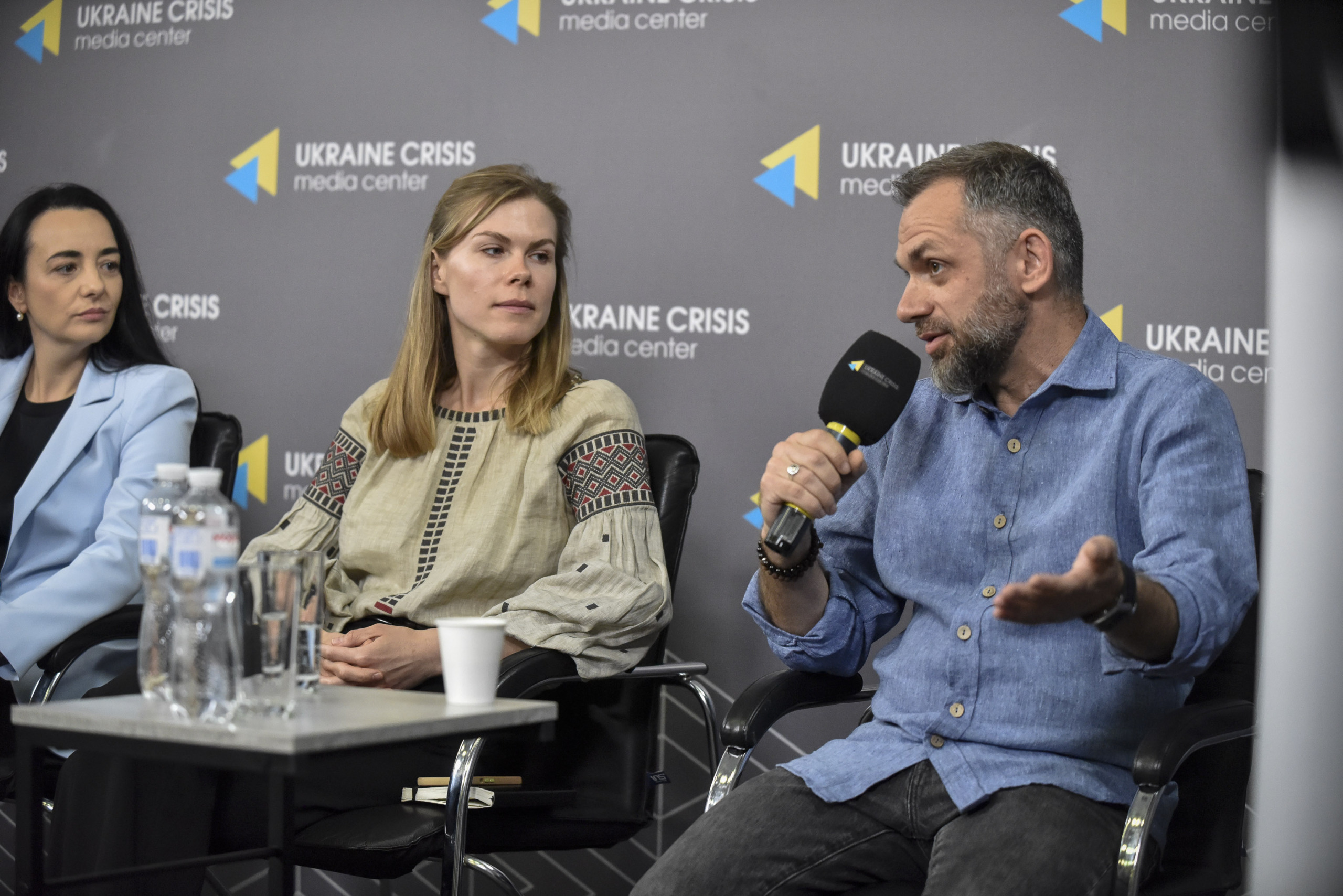
Director of the New Europe Center, Sergiy Solodkyy, presented the results of a sociological study on Ukrainians’ attitudes toward NATO, drawing attention to an important trend: despite a consistently high level of support for Ukraine’s accession to the Alliance, the level of trust in NATO has been decreasing recently. According to him, the main reason is not a change in Ukrainians’ attitude toward Euro-Atlantic integration, but the expectation of more decisive and practical actions from the allies. At the same time, the results of the study show that trust can be restored through increased military support, long-term security guarantees, and better communication regarding NATO’s role in helping Ukraine.
“Almost 70% of Ukrainians support Ukraine’s membership in NATO, however, trust in the Alliance today directly depends on the concrete decisions of our partners. For Ukrainians, it is extremely important to see not only political statements but also practical support, long-term financial and security commitments. Our research also showed that almost a third of those who currently do not trust NATO are ready to change their position if they know more about the real scale of the assistance the Alliance is already providing to Ukraine. This proves once again that strategic decisions and open communication are no less important than the supply of weaponry”.
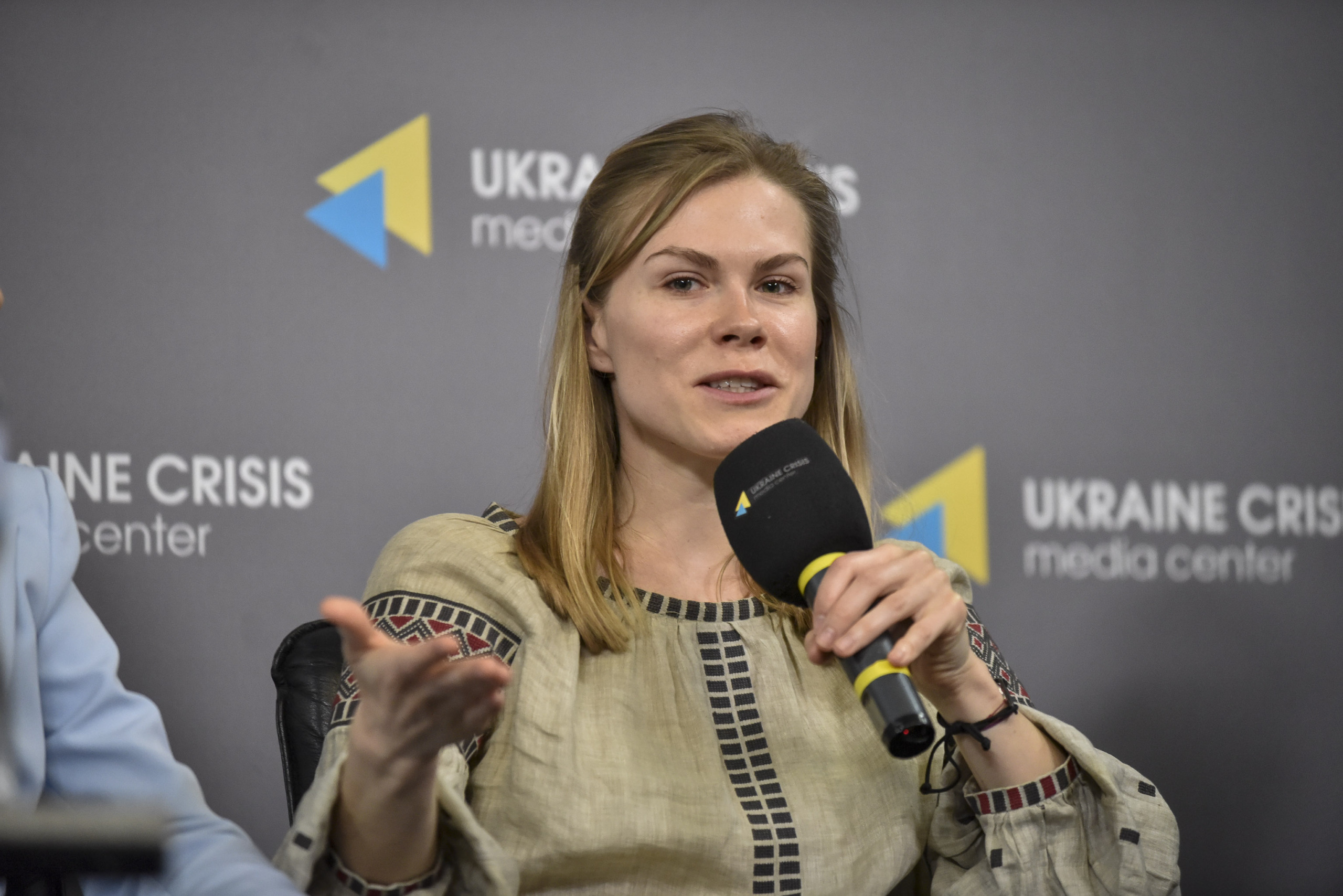
Lesia Ogryzko, Head of the Reforms Support Office of the Ministry of Defense, Co-founder and Director of the Sahaidachnyi Security Center, emphasized that the full-scale war has radically changed Ukraine’s place in the Euro-Atlantic security system. If earlier Ukraine was viewed primarily as a state in need of allied support, today it is the Ukrainian Defense Forces that are deterring the main threat identified by NATO’s Strategic Concept—Russia. According to her, this means that Ukraine is already an integral component of European security, and the future decisions of the Alliance must take into account not only Ukraine’s needs but also its real contribution to the protection of the Euro-Atlantic space. That is why one of the key outcomes of the Ankara summit should be decisions on further strengthening Ukrainian air defense, developing joint weapons production, and increasing investments in the domestic military-industrial complex.
“It is the Ukrainian military that is deterring the main threat that NATO identified in its Strategic Concept. Therefore, we have long been not a consumer of security, but its provider. That is why the allies must understand that their assistance to Ukraine—support for the Ukrainian military-industrial complex, the production of drones and missiles, as well as the strengthening of air defense—is an investment in their own security. The time has come for Ukraine’s contribution to the security of the Alliance to be reflected in concrete decisions”.
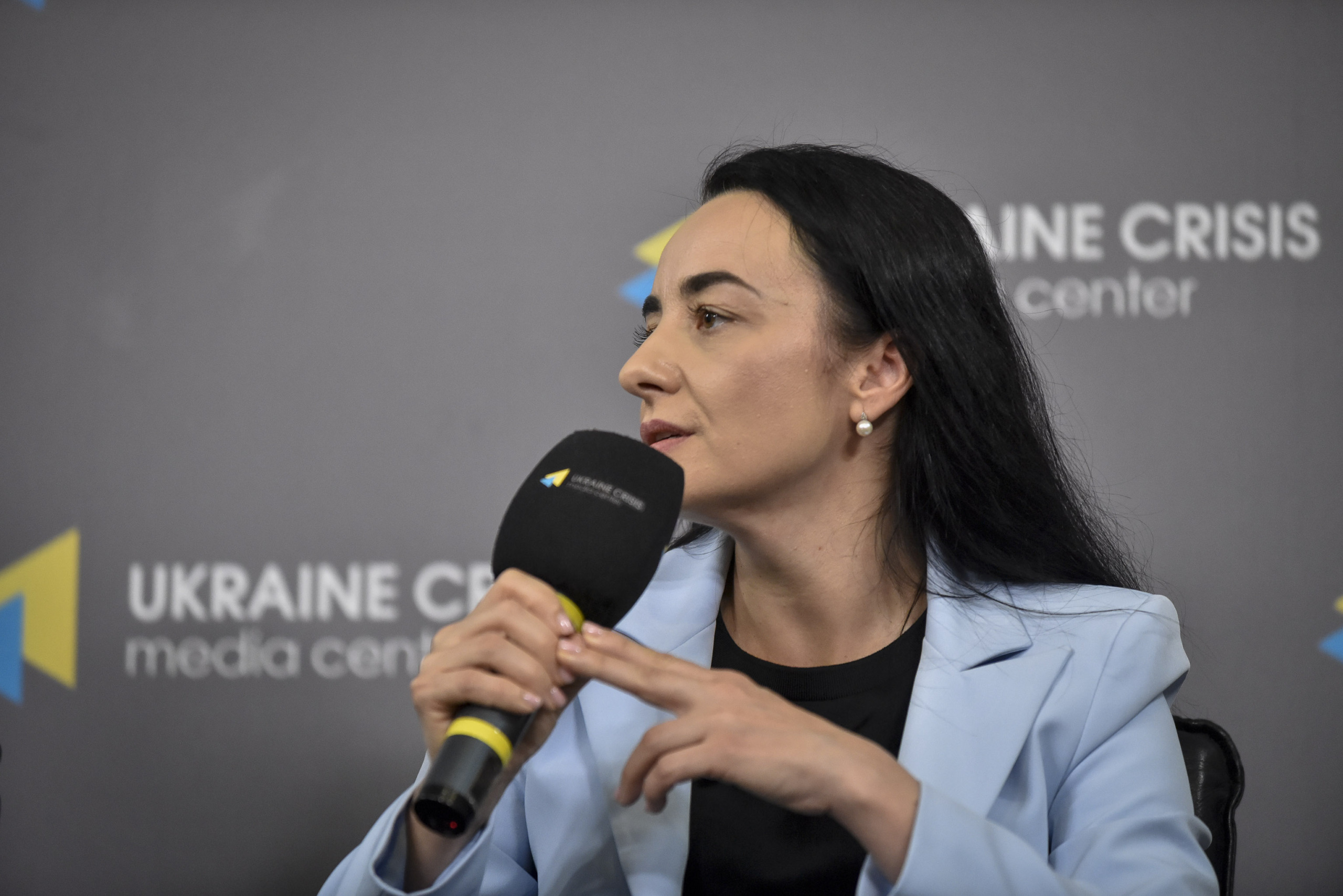
Mariia Kovach, Head of International Cooperation at the Center for Strategic Communications and Information Security, emphasized that the full-scale war has proven: informational resilience is just as much a component of national security as military capability. According to her, Ukraine has managed to build a system of strategic communications that is being studied by international partners today. The Ukrainian experience of coordinating state institutions, civil society, media, and international partners has become one of the examples of how democratic countries can counter information threats during war.
“Ukraine has proven that strategic communications are not only about information policy but also about national resilience. Our experience in countering Russian disinformation, fighting information operations, and building trust between the state and society is already valuable for NATO countries today. This resilience became possible thanks to the cooperation of state institutions, civil society, independent media, and international partners. It is precisely this model that allowed Ukraine not only to withstand the information war but also to shape practices that can strengthen the resilience of the entire democratic world”.
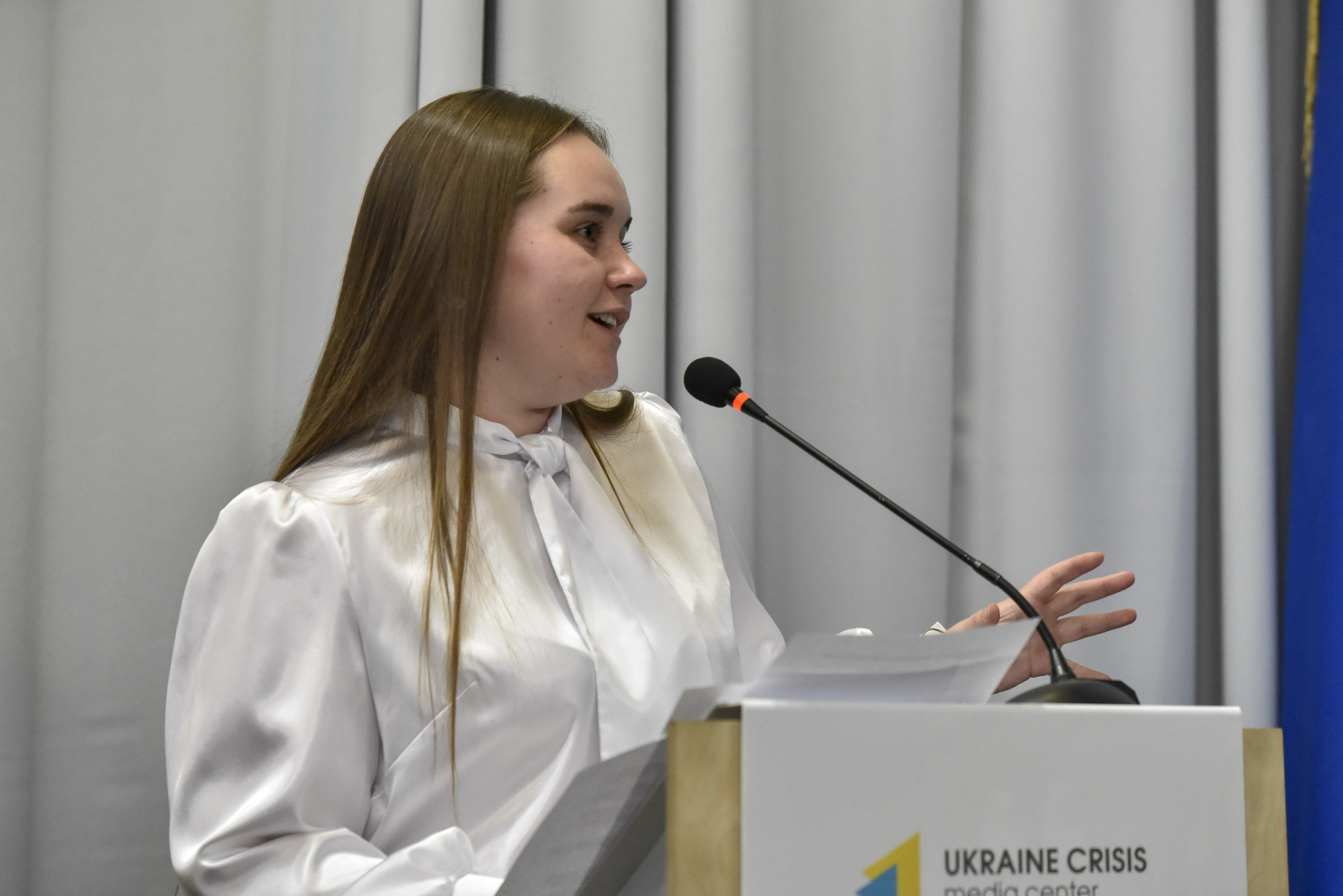
Summarizing the discussion, the participants of the roundtable agreed that the NATO summit in Ankara should become a platform for making concrete decisions that will strengthen the security of both Ukraine and the entire Euro-Atlantic space. Among the key expectations are the strengthening of Ukrainian air defense, support for the development of the military-industrial complex and weapons production in Ukraine, expansion of cooperation in the field of defense innovations, as well as Ukraine’s further advancement on the path to full NATO membership. The participants also emphasized that the Ukrainian experience in waging modern warfare, developing defense technologies, ensuring societal resilience, and countering disinformation is already an important contribution to the transformation of the Alliance and the strengthening of collective security. The moderator of the event, Dariia Panova, a member of the Youth Council under the MFA of Ukraine and head of the ANTS Youth Club, emphasized that today the partnership between Ukraine and NATO is reaching a qualitatively new level, and Ukrainian youth should be an active part of this process.
“The summit in Ankara is an opportunity to lay the foundation for a new model of partnership in which Ukraine acts not only as a state in need of support but as a country that shapes new approaches to security, defense innovations, and societal resilience. That is why it is extremely important that this discussion involves not only politicians and the military but also the expert community, civil society, and the youth who are already working today on the future of Euro-Atlantic Ukraine”.
The project “Ukraine–NATO: Consultative Civil Society Network” is sponsored by the North Atlantic Treaty Organization (NATO). The views and opinions expressed in this publication are those of the authors and do not necessarily reflect the official policy or position of NATO.