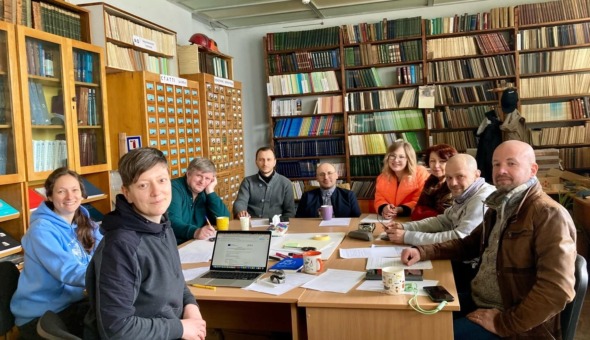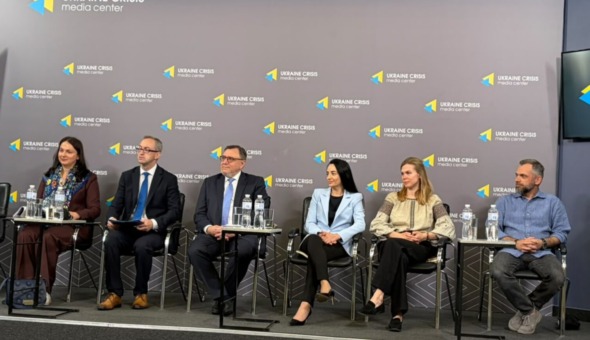
Despite the challenges of war and bureaucracy, small communities across Ukraine are successfully transforming their cultural institutions. During the meeting «Cultural Practices That Work: 10 Years of Transformation in Ukrainian Communities», members of the network shared practical reform cases and lessons learned. Here is what they say needs to change and what is already working.
A practitioner in reforming networks of cultural institutions in territorial communities, Liudmyla Kolisnyk, shared the experience of two communities in Ternopil оblast in western Ukraine: the Terebovlia community (the establishment of five Cultural Services Centres, attraction of donor funding, salary increases) and the Chortkiv community (a reform implemented within one year, with a minimal budget, without approval from the ministry, and using the opportunities provided by updated legislation).
According to Liudmyla Kolisnyk, these communities have demonstrated that local initiatives and decisive leadership can lead to significant positive change.
However, Kolisnyk also warned of a major challenge: even when legislation on reorganization is updated, its implementation is complicated by outdated social standards, which often no longer correspond to current realities. For example, standards regulating access to clubs and libraries have remained unchanged since the 1990s.
Another challenge is that the voices of rural, settlement-based, and small-town cultural institutions often remain unheard.
In Kolisnyk’s view, addressing these challenges in order to ensure the successful reform and modernization of cultural institution networks requires the following steps:
- Moving away from Soviet-era models and formats (clubs and libraries as single-purpose cultural institutions) in favor of new multifunctional formats.
- Developing economically viable models (paid services, collaboration with businesses, patronage).
- Preparing society to understand culture as a competitive product rather than a free service. Community involvement in shaping cultural initiatives contributes to their continued consumption.
- Identifying new visionaries and cultural managers.
Diana Tryma, founder of the NGO Polotno, spoke about the specific challenges faced by relocated cultural institutions. Ukrainian legislation still lacks an official status for «relocated cultural institutions», which complicates their operation and access to support. For this reason, Polotno is initiating the creation of a unified digital platform for:
- Mapping and inventorying human capital.
- Creating a knowledge base (documentation, archiving, and promotion of cultural heritage, including intangible and institutional heritage).
- Developing proposals for the Ministry of Culture to introduce the status of relocated cultural institutions, as well as their rights, benefits, and support programs.
Participants stressed that dialogue and cooperation with public authorities are crucial to identifying problems and advancing legal change, while avoiding conflict and misinformation.
The event was organized within the project «Acting together: building partnerships – influencing change», implemented by the NGO National Interests Advocacy Network «ANTS» with the support of the Askold and Dir Fund, administered by ISAR Ednannia as part of the broader project «Strong Civil Society of Ukraine – a Driver Towards Reforms and Democracy», funded by the governments of Norway and Sweden.