We hear and talk a lot about networking and the importance of networks, but do we really always understand how it works in practice and why it matters so much?
This June marks two years since the launch of the National Heritage Protection Network. It brings together Ukrainian professionals in the fields of research, protection, promotion, and management of natural and cultural heritage, and is coordinated by the “ANTS” National Interests Advocacy Network.
Today, the Network unites 276 members, 119 of whom have officially signed the Network Manifesto. The Network hosts meetings where members get to know each other and present their work to colleagues, as well as experience-sharing sessions where guest speakers or members talk about specific cases or projects and answer questions. It also facilitates discussions on vital field-related issues, including legislative initiatives, and provides training sessions for its members. Additionally, members connect via a joint WhatsApp chat for continuous and rapid information and news sharing.
Every year, we conduct a survey to learn about the Network’s impact on their activities, as well as their expectations and attitudes toward future work.
We are pleased to present the main results of this year’s survey, which was conducted in May. The online questionnaire was answered by 14% of the Network’s members.
What the survey showed
Cultural institutions make up the largest share of members at 59%, followed by non-governmental organizations at 17.9%, alongside representatives of local self-governments, education, state authorities, and volunteer groups.
More than half of the respondents have been part of the Network for over a year or since its inception, indicating a stable core community.
-
82.1% of members consider their participation in the Network useful, 53.8% feel its impact on their daily work.
-
79.5% indicated a demand for establishing new connections.
-
10.3% of respondents have established sustainable partnerships within the Network.
Key topics
Movable heritage is the topic of greatest interest to members, cited by 71.8% of respondents. This is followed by national memory and immovable heritage at 46.2% each. This demonstrates that the community covers both practical and strategic areas of work in the cultural heritage sector.
Members also highlighted the need for practical education and training, with 46.2% of respondents favoring this format. This is an important signal for the future development of the Network, which already sees demand not just for discussions, but for applied tools as well.
Conclusions
The Cultural Heritage Protection Network has become an effective platform for networking, knowledge sharing, and mutual support among organizations from various regions of Ukraine. Members note that professional communication, new ideas, and access to current practices help them perform their daily work better. Here are just a few quotes from the respondents’ feedback:
“The community helps solve complex problems through solidarity and a collective search for sources of support”.
“The Network provides a wide range of professional information, current recommendations, and practices. Members always stay up to date with key events and trends in Ukraine’s heritage sector”.
“Motivation to act grows thanks to learning about successful cases and the experience of colleagues”.
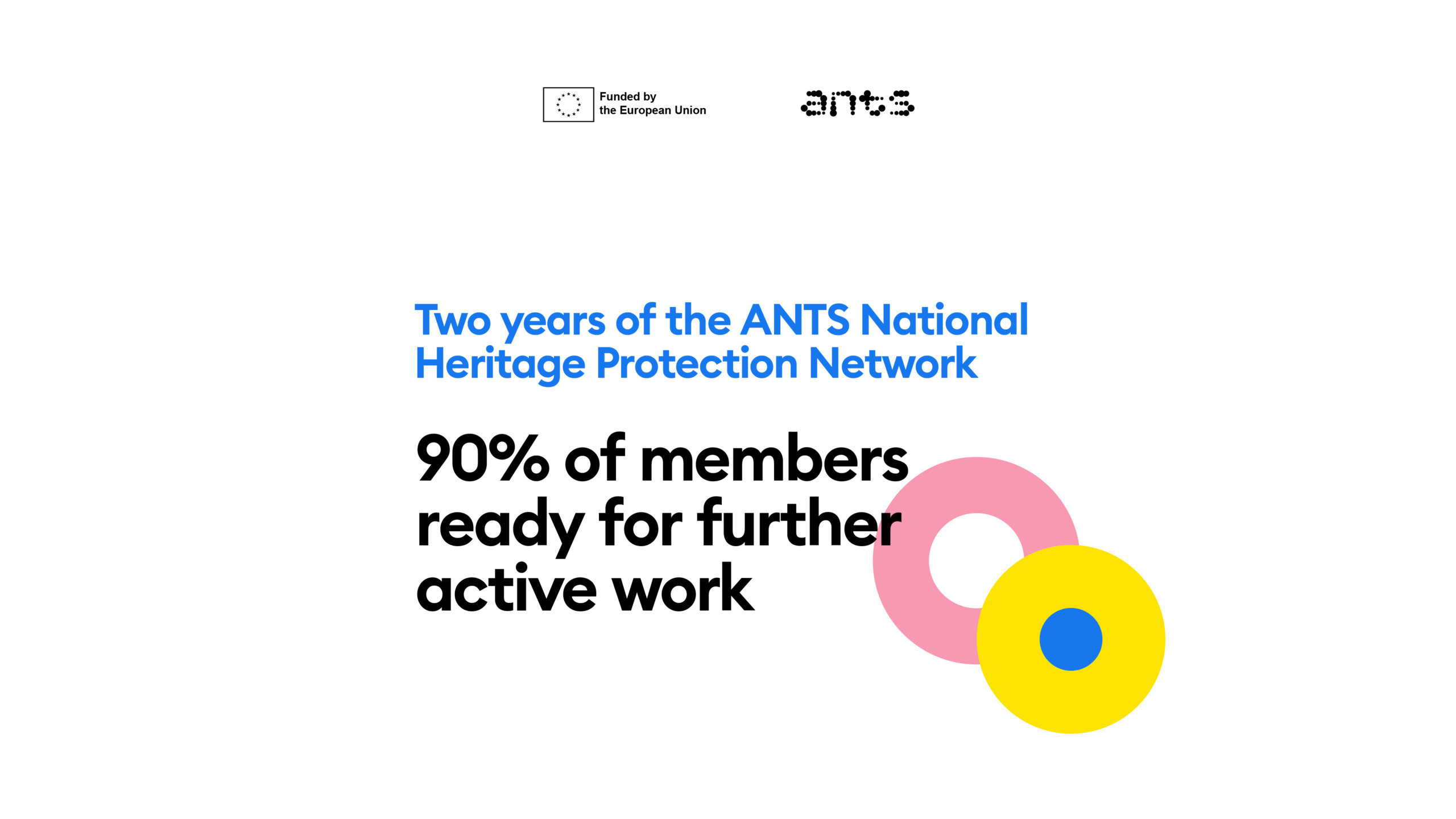
The most significant takeaway from the survey is the high readiness for continued involvement: 90% of respondents confirmed their desire to remain actively engaged in the Network.
The more detailed survey results can be found at the link.