The Diplomatic Academy of Ukraine hosted the final stage of the project “Youth Without Borders: Together in NATO,” organized by the National Interests Advocacy Network (ANTS). The event brought together students, diplomats, parliamentarians, NATO representatives, and ambassadors from friendly countries to discuss Ukraine’s path to NATO membership.
Over the past five years, ANTS has successfully conducted four youth simulations of the NATO Parliamentary Assembly and a model session of the North Atlantic Council, engaging more than 1,000 young people from across Ukraine. These initiatives help participants develop practical diplomatic and analytical skills, gain a deeper understanding of NATO’s decision-making processes, and prepare them for future roles as leaders and diplomats.
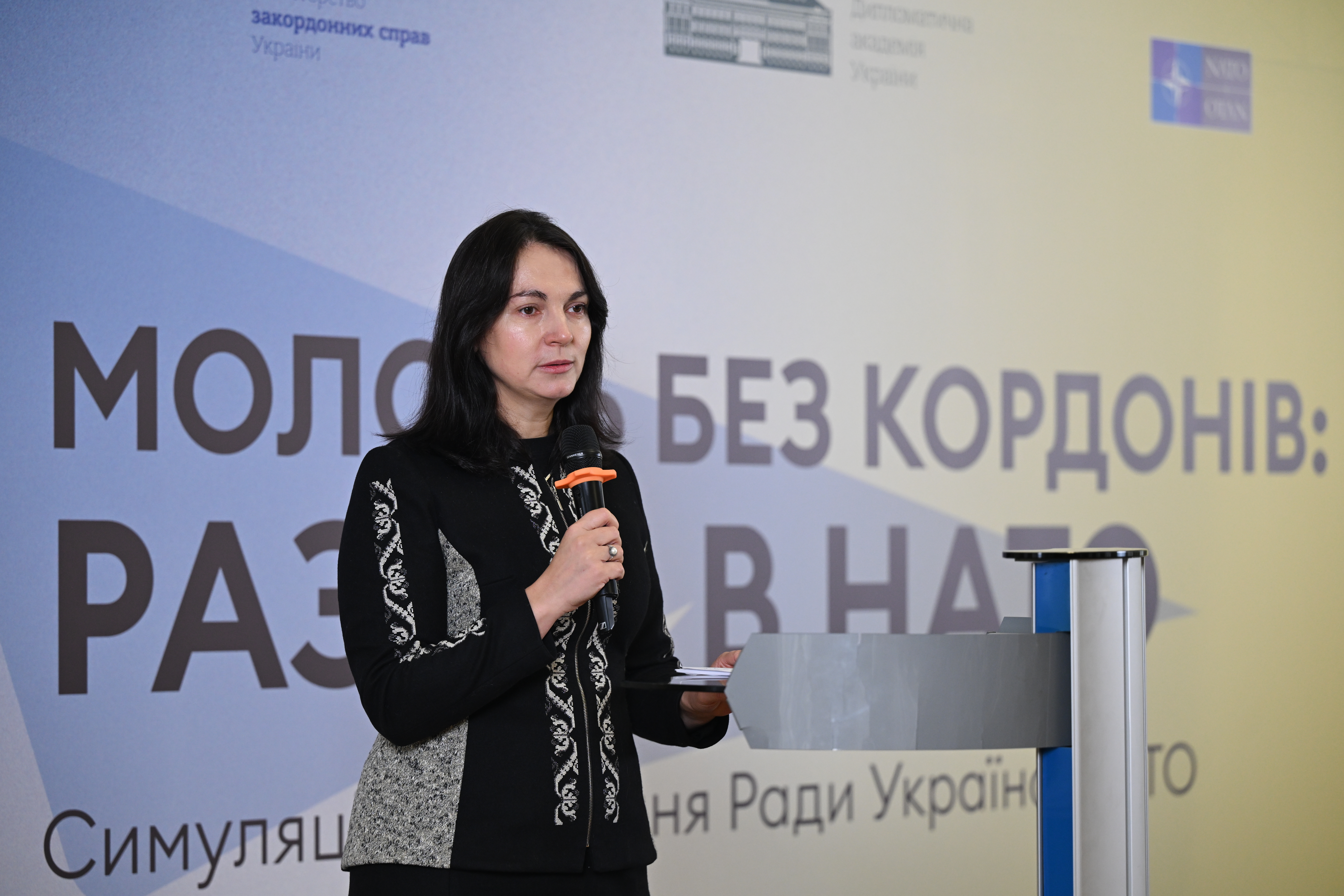
The chair of the ANTS Network board opened the event with a powerful appeal to Euro-Atlantic partners, urging them not to delay decisions that will shape the future security of the entire continent. She emphasized that today Ukraine is not only the front line in the fight for its own survival, but also Europe’s shield and a litmus test of NATO’s ability to defend the values of freedom, democracy, and international law.
“We call on NATO countries to act in Ukraine now. Delay is measured not only in lost time, but also in human lives, in shattered destinies, and in the destabilization of the global order. Ukraine is not fighting for itself alone — we are fighting for the future of Europe, for the strength of democracies, and for the right of free peoples to determine their own path.”
She emphasized that today, not only is the fate of Ukraine at stake, but also the future of the entire global security system. Putin’s Russia is a terrorist state that undermines the international order and challenges the very notion of security. Russia’s war against Ukraine constitutes genocide, aimed at destroying the Ukrainian nation and its right to exist. The Kremlin’s objective is to dismantle the rules-based world and replace it with imperial law enforced by force.
“That is why we call on NATO to fulfill its historic mission — to safeguard the future of the free world by taking action in Ukraine now,” Hanna Hopko stressed.
Critical moment: act now
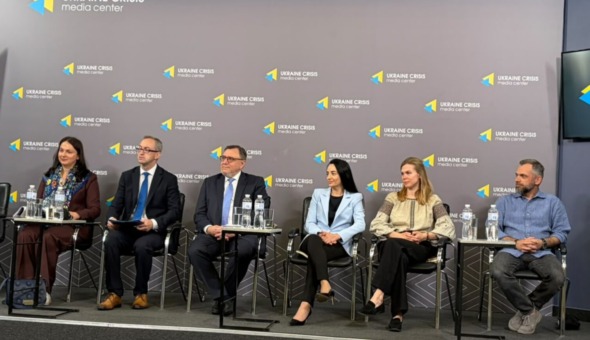
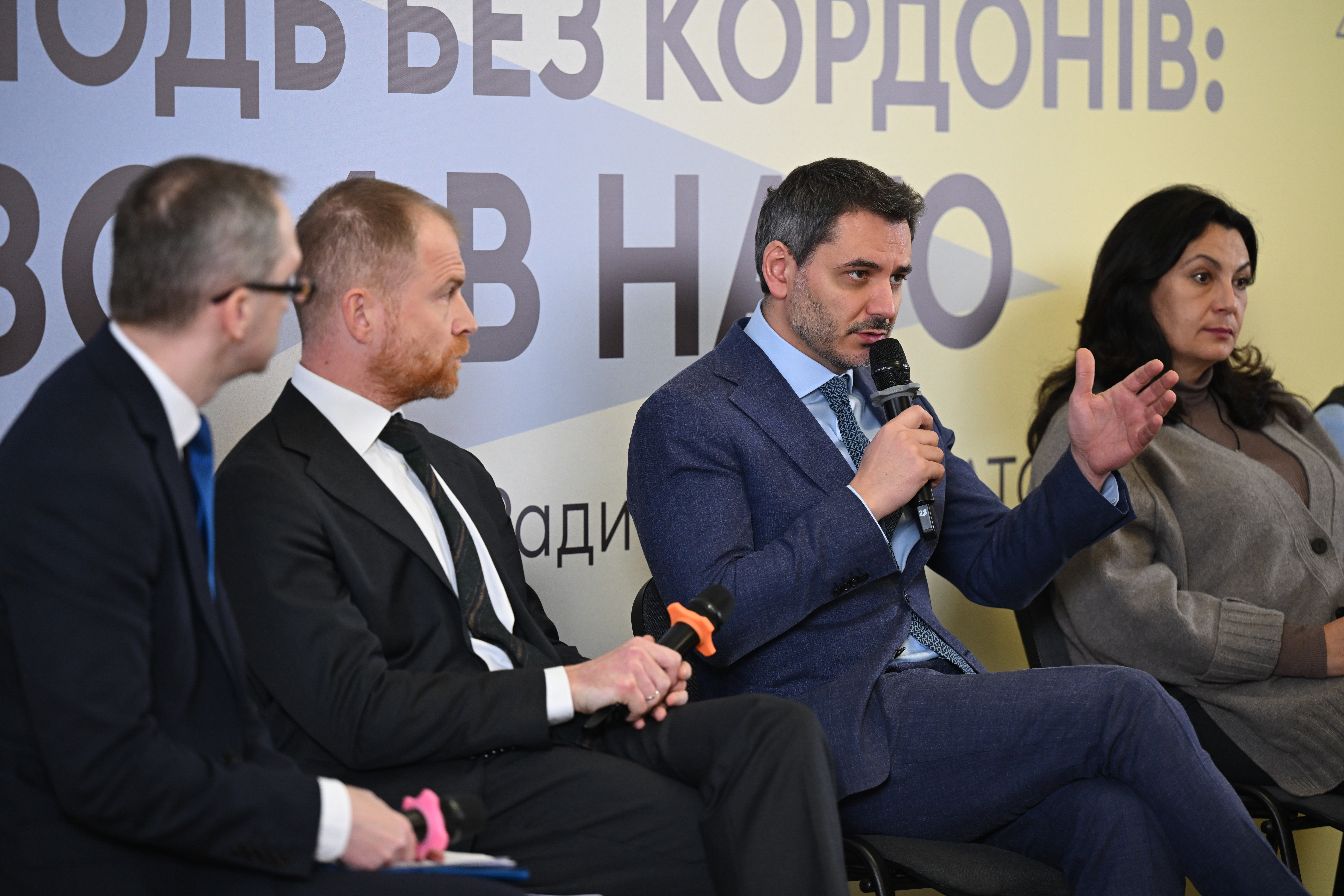
During the panel discussion “Ukraine’s Path to NATO,” Ukrainian MP and Head of the Permanent Delegation to the NATO Parliamentary Assembly Yehor Cherniev stressed that the present moment is decisive for defeating Russian aggression and accelerating Ukraine’s integration into the Alliance:
“Ukraine has already proven that it can stop Russia — not because Russia lacked the intention to destroy us, but because it lost the capability to do so. That was a window of opportunity. And today, that window is open again. Together with our Western partners, sanctions, precision strikes, and our army, we have a real chance to bring the Russian economy to its knees. This is the moment to act — decisively, systematically, and united. The worst thing we can do now is to let this opportunity slip away. Because right now, it is not only the fate of this war that is being determined, but also our future — Ukraine’s future as a full member of NATO.”
Support for Ukraine and Alliance Transformation — NATO’s Top Priorities
During the panel discussion, NATO’s Senior Representative in Ukraine, Patrick Henry Turner, emphasized that the events in Ukraine are reshaping the very logic of the Alliance’s operations, its strategic priorities, and its approach to European security. He stressed that NATO is not weakening — on the contrary, it is strengthening its defensive capabilities and acting as a unified force, fully capable of responding to the challenges of modern warfare.
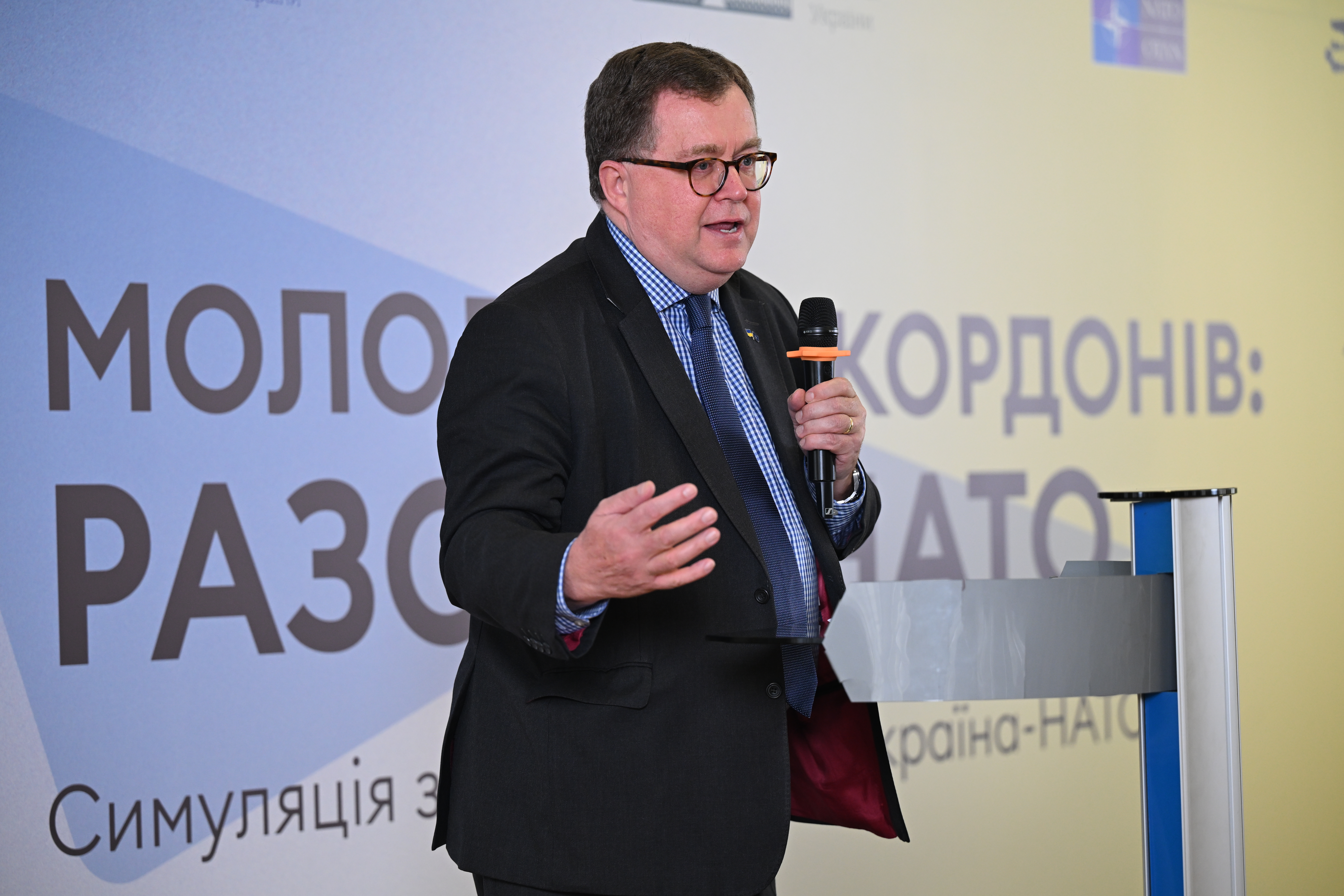
Patrick Henry Turner, Senior NATO Representative in Ukraine:
“All these issues are closely interconnected. Those who claim that NATO is weak or losing influence simply did not listen when Alliance leaders met in The Hague this past July. It is precisely because of what is happening here — due to Russian aggression and the return of full-scale war to Europe — that NATO member states have made a strategic decision to allocate 5% of their national wealth to defense, of which 3.5% is for core defense needs and 1.5% for defense-related areas. It was also agreed that military aid to Ukraine will count toward NATO member countries’ defense spending — a clear signal of support and recognition of shared responsibility. The next priority is strengthening the defense-industrial base on both sides of the Atlantic. Currently, production rates are insufficient to meet today’s challenges, a reality felt by both Ukraine and its allies. This is why NATO is setting far more ambitious goals for developing defense capabilities — to ensure collective defense readiness and to demonstrate that the Alliance is capable of acting swiftly, decisively, and effectively.”
Young People as Part of the Diplomatic Front
In his speech, Deputy Minister of Foreign Affairs of Ukraine Oleksandr Mishchenko highlighted the crucial role of young people in safeguarding the state:
“The sooner we develop effective countermeasures against aggression, the fewer lives will be lost among Ukrainian soldiers and civilians. The enemy plays by no rules — it targets civilians to force Ukraine to surrender and to fracture Europe. We expect that young people, combining their enthusiasm and energy with the experience of older generations, will become a driving force for change and effectively counter Russia.”
He also emphasized that the Ministry of Foreign Affairs is eager to collaborate with youth who see themselves in diplomacy:
“We already see future diplomats of the Ministry of Foreign Affairs among you. I invite the most talented and patriotic — those who wish to defend their homeland through diplomacy — to join us in this effort.”