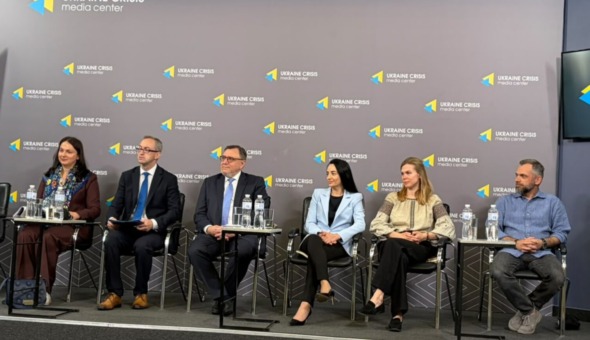
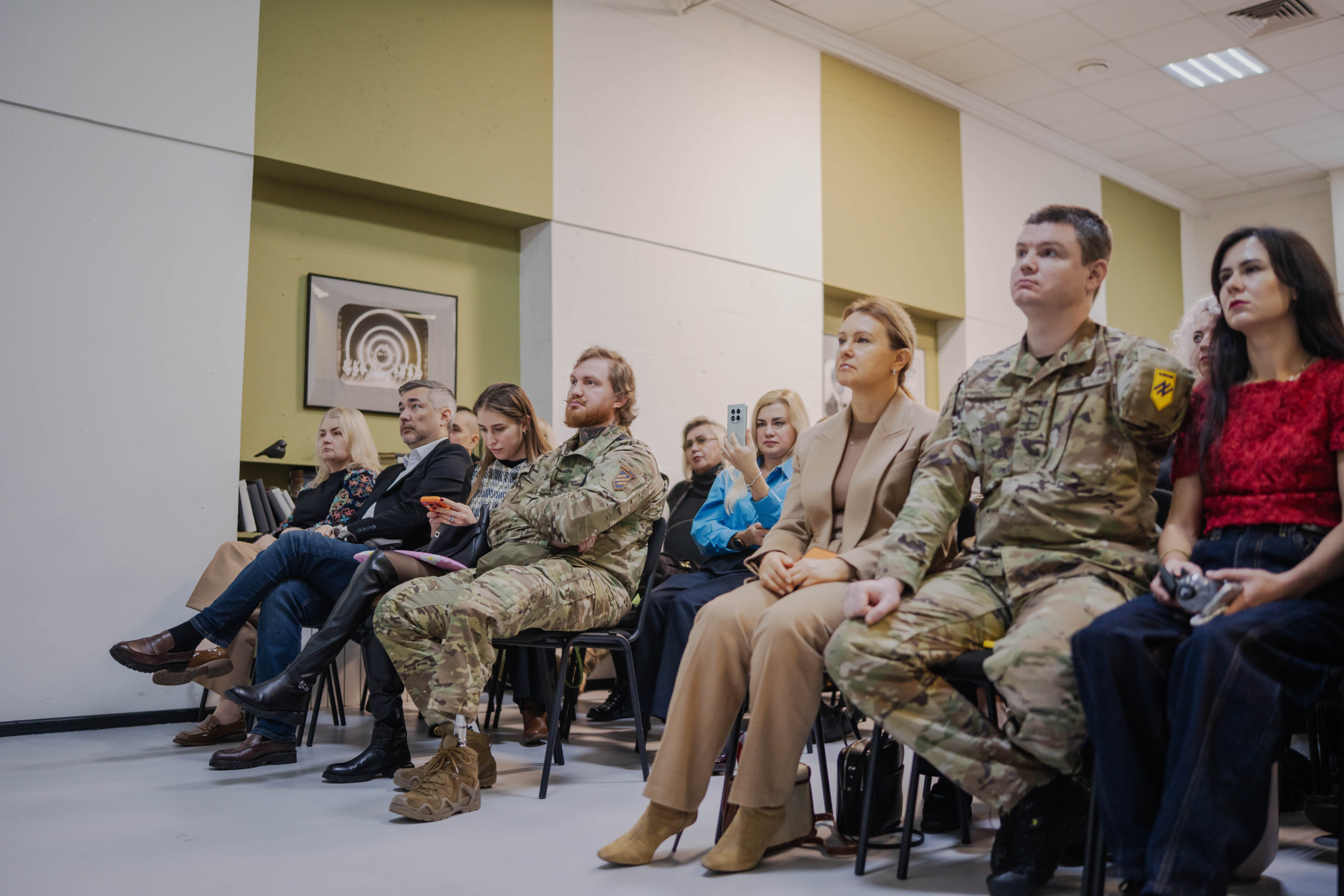
Ukraine is entering a phase where veteran policy becomes a matter not of social support, but of national security, democracy, and economic development. This was the main conclusion of the forum «Veterans as a new political actor: rules of engagement for post-war Ukraine», which took place on 16 December in Kyiv. Forum participants emphasized that after the active phase of the war ends, Ukraine will face an unprecedented challenge — up to 5-6 million citizens, including veterans and their family members, will constitute about 20% of the country’s population. The stability of post-war Ukraine and the quality of its democracy will depend on how the state, the political system and civil society build their interaction with this group.
Veteran policy is a matter of national security
The forum participants agreed that veteran policy needs to fundamentally change its framework: veterans should be seen not as objects of care or social assistance, but as full-fledged actors of politics and decision-making. This refers to participation in the formation of state policy, security strategies, economic recovery and democratic institutions. It is precisely veterans, with their experience of responsibility, command, and decision-making in wartime conditions, who can become the foundation of new political and managerial elites, as well as a driver of post-war economic growth and a guarantee of Ukraine’s security for decades to come — both externally and internally. At the same time, the absence of a systematic, strategic veteran policy creates serious risks: internal destabilization, the escalation of social conflicts, and an increase in political manipulation surrounding the veteran community. Without clear rules of engagement, veterans may find themselves as hostages of political struggles or objects of exploitation, posing a threat both to social cohesion and national security. That is why the forum participants emphasised that the time to establish rules for interaction between the state, society and veterans is now, not in some undefined “post-war” period. The decisions made today will determine the stability, democratic quality and security capabilities of post-war Ukraine.
Hanna Hopko: Veterans are the foundation of Ukraine’s stability and European security
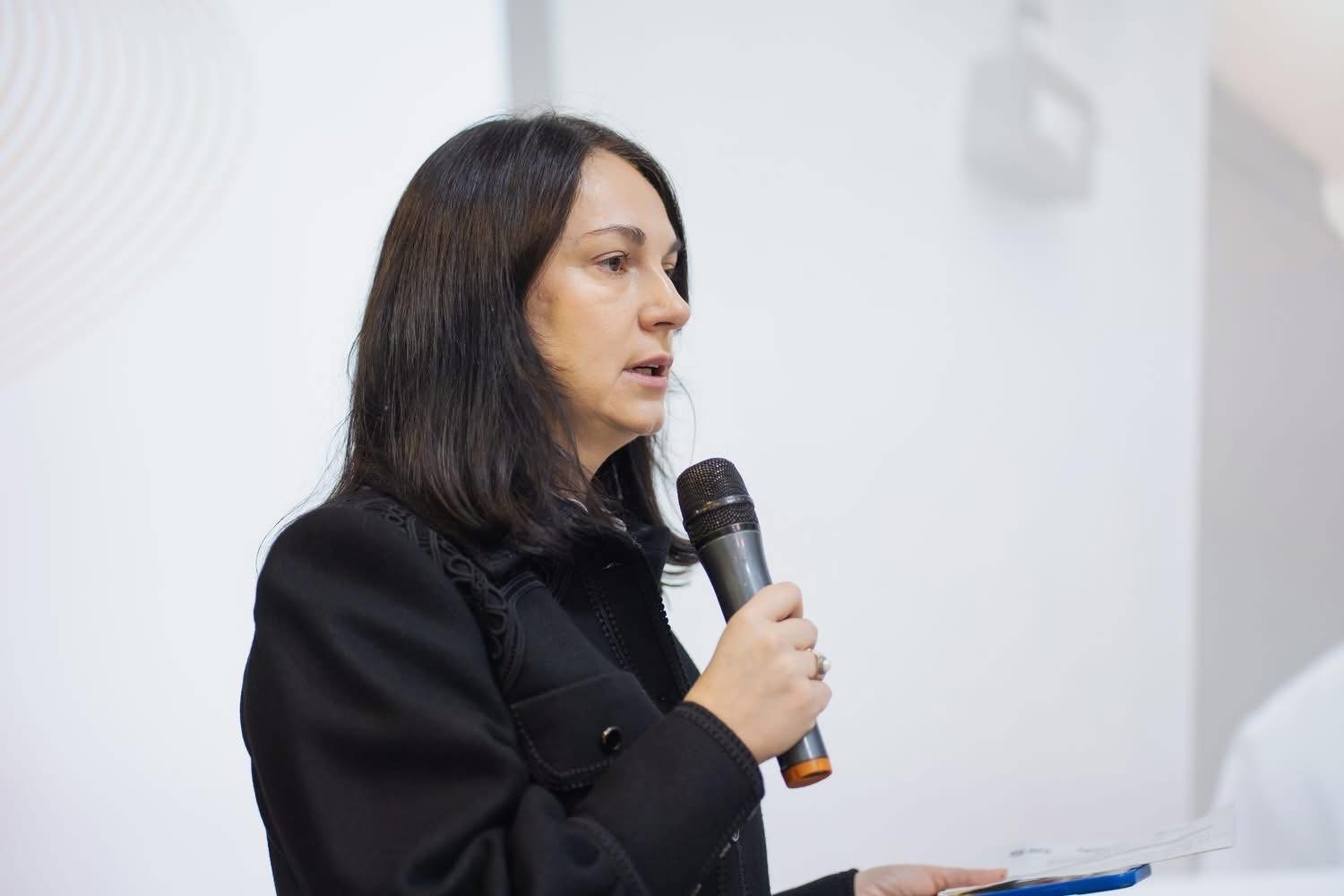
Opening the forum, the Chair of the Board of the National Interests Advocacy Network “ANTS,” Hanna Hopko, set the strategic framework for the discussion, emphasizing that the conversation about veterans as a new political actor is an integral part of the broader context — geopolitical pressure on Ukraine, attempts to interfere with its sovereignty, and the determination of rules for post-war development. According to her, the forum has nothing to do with the election campaign — on the contrary, its goal is to preserve unity, strengthen stability and protect Ukraine’s national interests in the context of war and complex international negotiations.
«We are categorically against elections during martial law and during the war. For us, the key priority is Ukraine’s national interests. We clearly see the traps facing Ukraine today and the attempts to interfere with our sovereignty — from demands regarding territorial integrity and the size of the Ukrainian armed forces to the imposition of decisions about alliances and elections. That is why our steadfastness is an important element not only of Ukrainians, but also of collective European security. Veterans — thanks to you, Ukraine is strong and unyielding», — Hanna Hopko emphasised.
According to her, this position is based on the understanding that concessions at Ukraine’s expense will not bring stability to its partners, but will only increase threats — both for Ukraine itself and for the entire European security architecture.
«Veterans can become the state’s main asset», — Valerii Zaluzhnyi
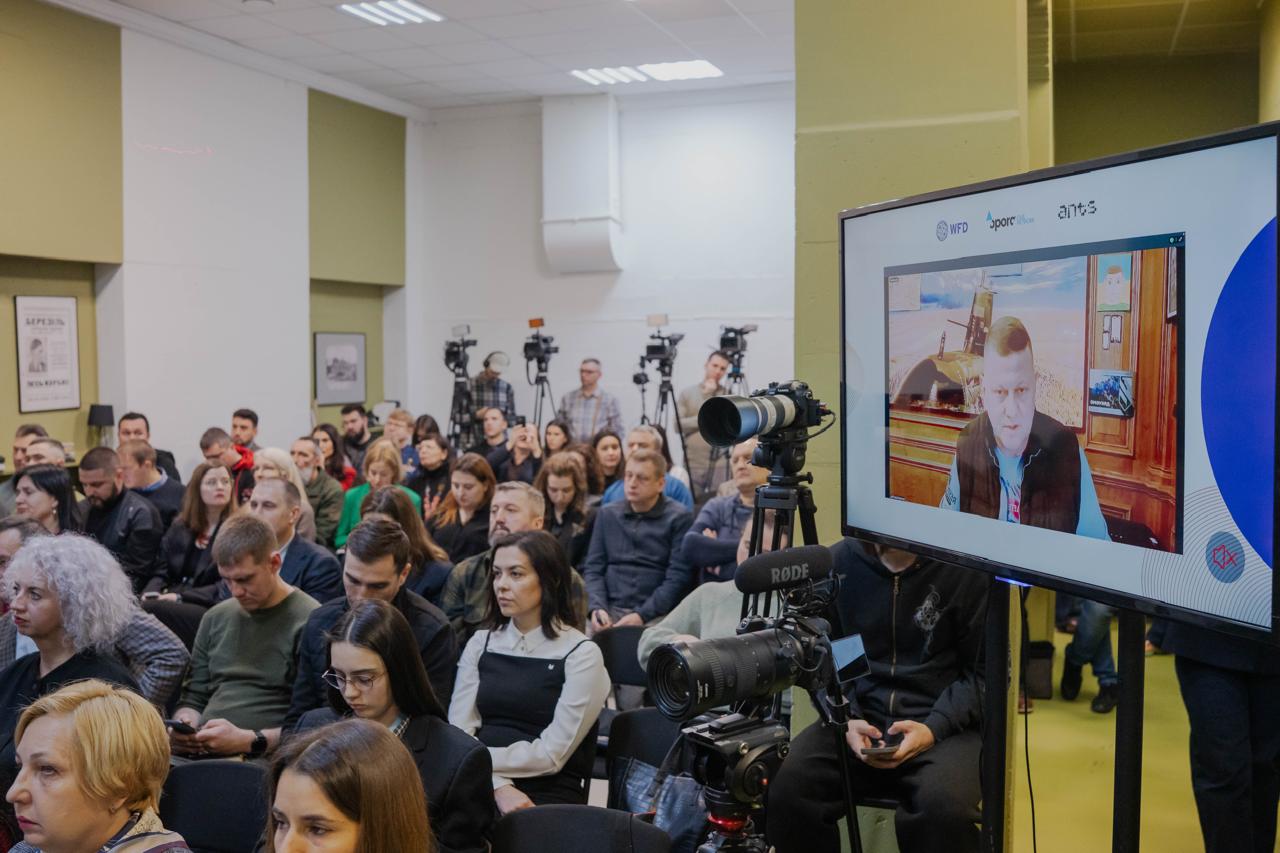
In his keynote speech, Valerii Zaluzhnyi, Extraordinary and Plenipotentiary Ambassador of Ukraine to the United Kingdom of Great Britain and Northern Ireland, outlined the scope of the veteran issue as one of the key challenges of post-war state policy. According to the Ministry of Veterans Affairs, as of July 2025, there were 1.56 million veterans in Ukraine. After the end of active hostilities, this figure will increase to at least 2.5 million people, and together with family members — to 5–6 million citizens, which is about 20% of Ukraine’s population and almost half of the available workforce.
Veterans can indeed become the main asset of the state. An asset that is located within Ukraine, not beyond its borders. This is about 20% of the country’s population, and together with their families — nearly half of the total workforce», — Valerii Zaluzhnyi, emphasised.
According to him, it is veterans who can become the driving force behind post-war economic growth, the basis for new managerial and political elites, and the foundation of national identity based on responsibility for the state and the culture of its defence.
«People with combat experience, who are organised and motivated by responsibility for the future of the country, can ensure security, the rule of law and build trust. It is veterans who must become the main guarantee of Ukraine’s security in the next 25–30 years. All defence capabilities must be based on the experience of those who directly participated in the Russian-Ukrainian war», — he emphasised.
Andrii Yusov: Russia is waging war not only against Ukraine — and is preparing for a long confrontation
Andrii Yusov, a representative of the Main Intelligence Directorate of the Ministry of Defense of Ukraine, emphasized that the discussion of veteran policy is impossible without a sober understanding of the security reality. According to him, despite significant losses, Russia shows no intention of winding down its military machine. On the contrary, it continues to increase defence spending and prepare for a prolonged confrontation with the West. He emphasized that Russia’s economic problems are accumulating, but the regime is trying to compensate for them through militarization, propaganda, and internal societal mobilization, shifting the burden of the war onto the future.
«Putin’s Russia is suffering serious losses — both on the battlefield and in the economy. But at the same time, it has no plans to curtail its military machine. On the contrary, defence spending is increasing, and the war is no longer being presented as a war against Ukraine, but as a war against the entire liberal West, NATO and the European Union», — emphasized Andrii Yusov.
According to him, that is why Ukraine needs to think strategically and prepare for the long term — both in security policy and in matters of reintegrating veterans, who will form the foundation of the state’s defense reserve.
Sviatoslav Palamar (Kalyna): the question is not whether veterans will be in politics, but how exactly
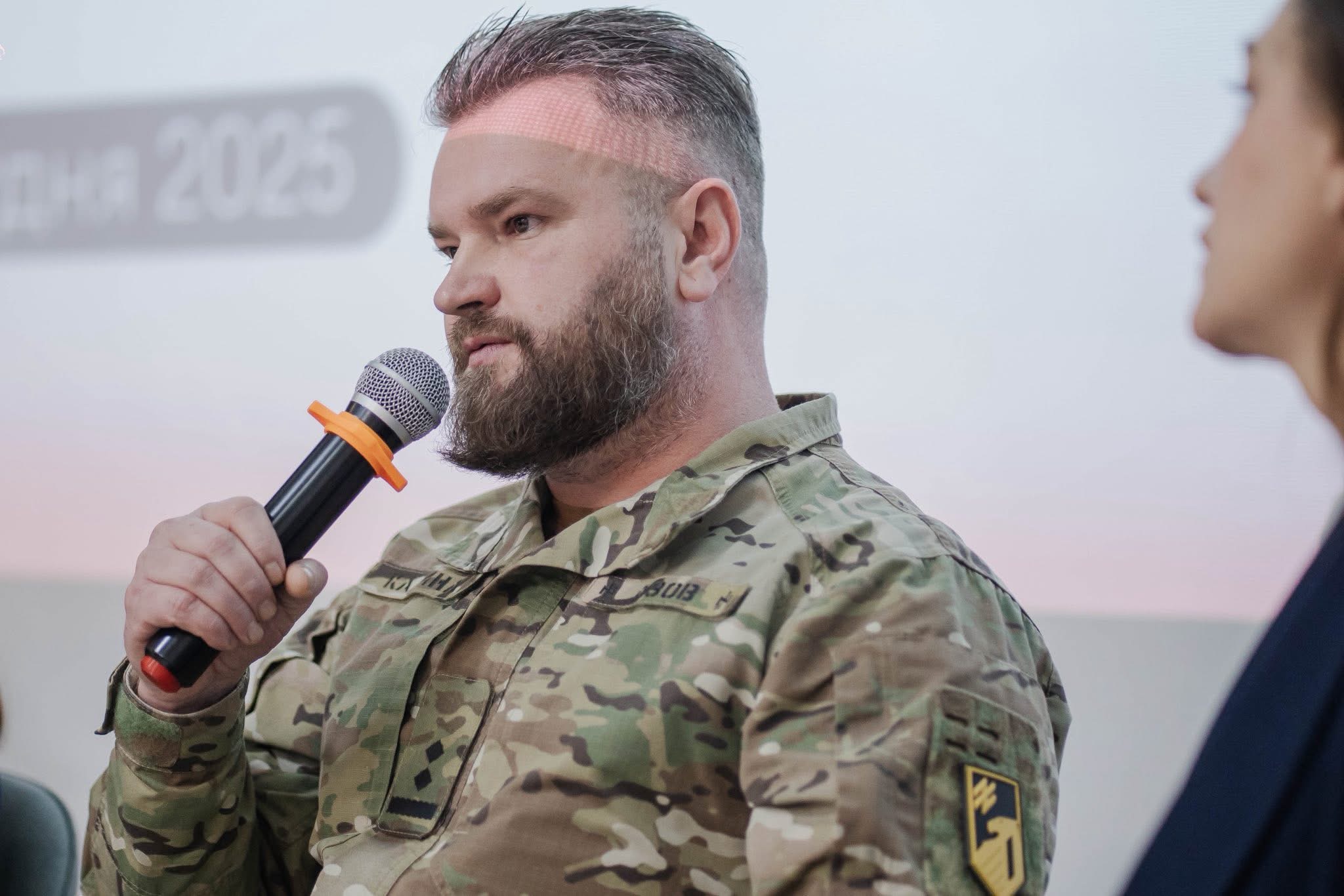
Deputy Commander of the First Corps of the National Guard “Azov,” Lieutenant Colonel Sviatoslav Palamar (Kalyna), emphasized that the discussion about veterans’ participation in political life often begins with a wrongly framed question. In his view, veterans are already part of all spheres of social life — and politics is no exception. At the same time, he identified the key challenge not as the formal presence of veterans in politics, but as creating real conditions for their constructive and influential participation — without ceremonial roles or being used «for the lists».
«It is important for us to talk not about whether veterans will be in politics, but about how they will be present there. Not for formality and not as top names to pass through individual parties, but with real influence within those political forces that are ready to offer them opportunities», — emphasised Sviatoslav Palamar.
He also warned against illusions of lasting peace and stressed that any political process must take into account the realities of security and defence.
«I do not believe in the realism of a long-term ceasefire. Even if it happens, we need to be prepared for defense. And defense in the country is primarily based on human resources. Ukraine’s reserve is made up of almost 100% of veterans», — he said.
Yan «McGregor» Klishaiev: «A veteran should not be left on the sidelines»
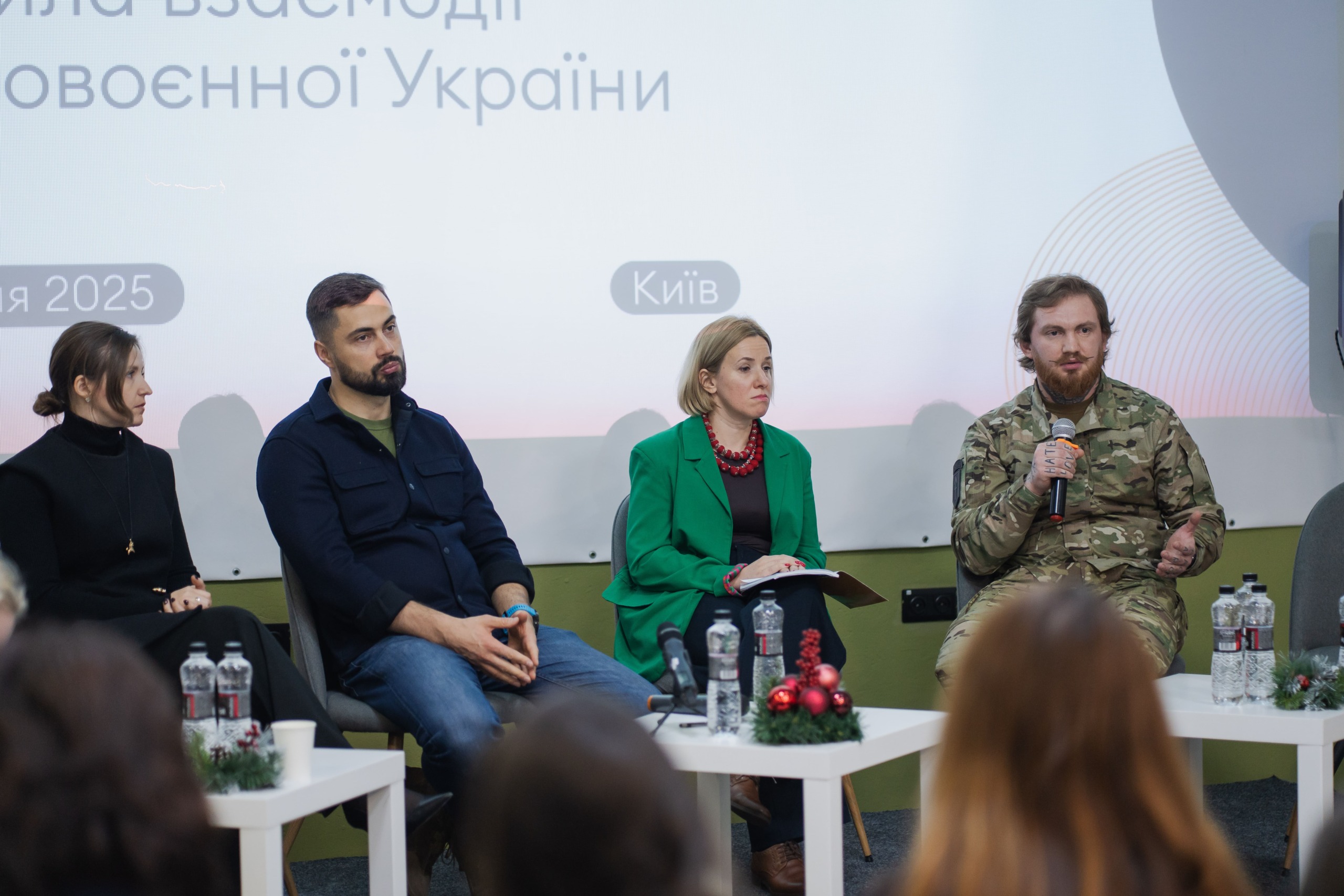
Yan McGregor Klishaiev, a veteran of the 3rd Army Corps, in his speech drew attention to one of the least discussed aspects of the veteran issue — the difficulty of returning to civilian life and the lack of systematic support for veterans after injury and demobilisation. He emphasized that war and peace are different realities, and after the front, for many veterans, another equally challenging struggle begins — for respect, understanding, treatment, and the opportunity to find their place in society again.
«In war, you clearly understand who your allies are, who your enemies are, and what you must do. But after returning to civilian life, a completely different struggle begins — for a life that will never be the same as it was before the war, for respect and understanding, which are often difficult to find even within your own family», — Yan Klishaiev said.
According to him, it is precisely the lack of sufficient patronage and veteran services that forces many veterans to face their problems alone — and this is one of the reasons for creating the veteran corps.
«A veteran should not be left on the sidelines. Our combat experience, ability to make decisions in critical situations, and responsibility for the country we fought for can and should be useful — in education, governance, and business. That is why we are creating a veteran corps and are already beginning to establish branches across the country», — he emphasized.
The European approach: veterans as policy makers
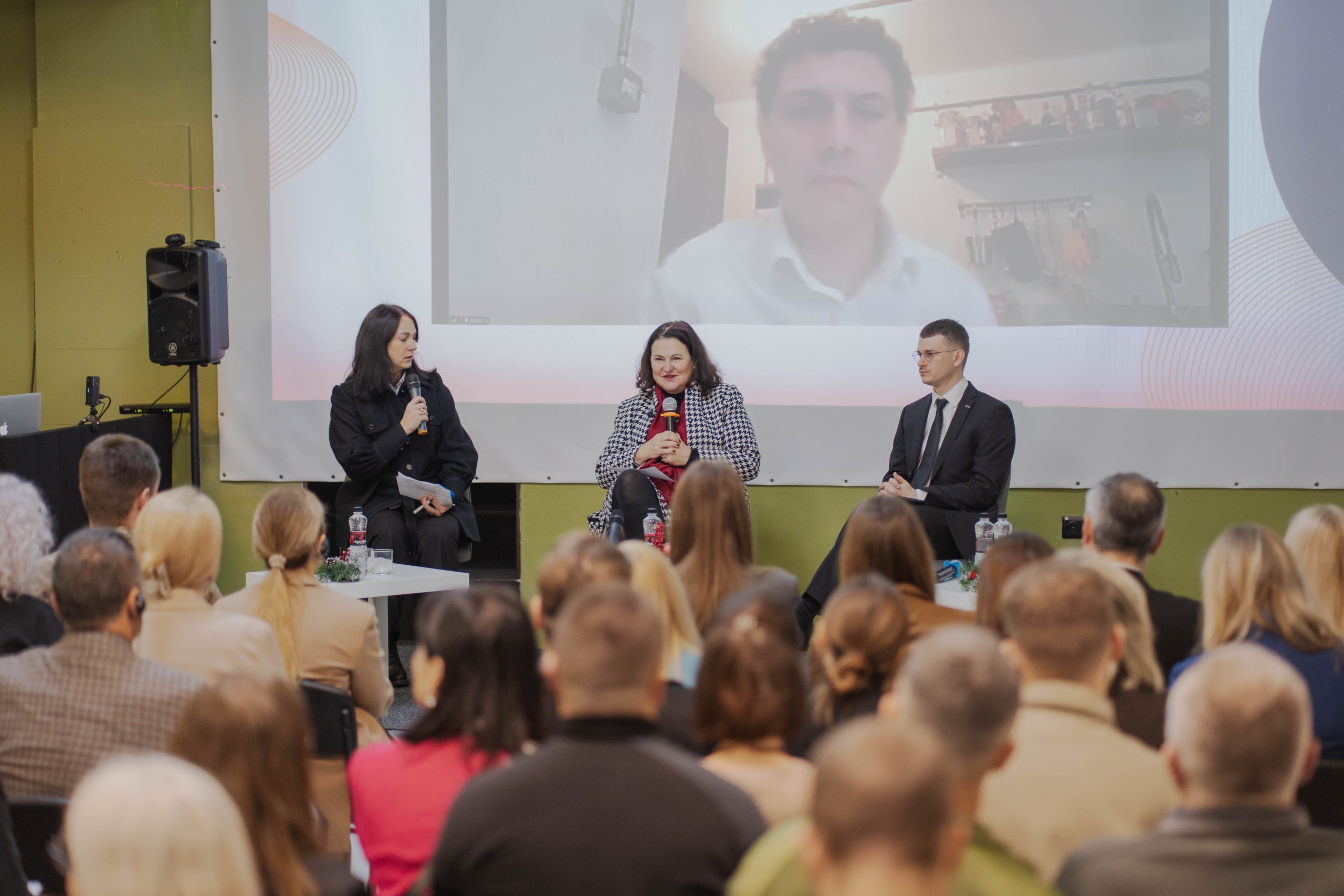
Head of the European Union Delegation to Ukraine, Katarina Maternova, emphasized a fundamental change in the approach to the role of veterans in post-war society.
«Veterans are not objects of policy, but its creators and subjects. That is why it is important to talk not only about reintegration, but also about civic engagement, political participation and the role of veterans in shaping public policy», — she mentioned.
Maternova also emphasised that the European Union supports civil society initiatives that create space for such strategic discussions and help prepare Ukraine for post-war challenges.
Vasyl Sehin: trust in veterans forms a new political subject
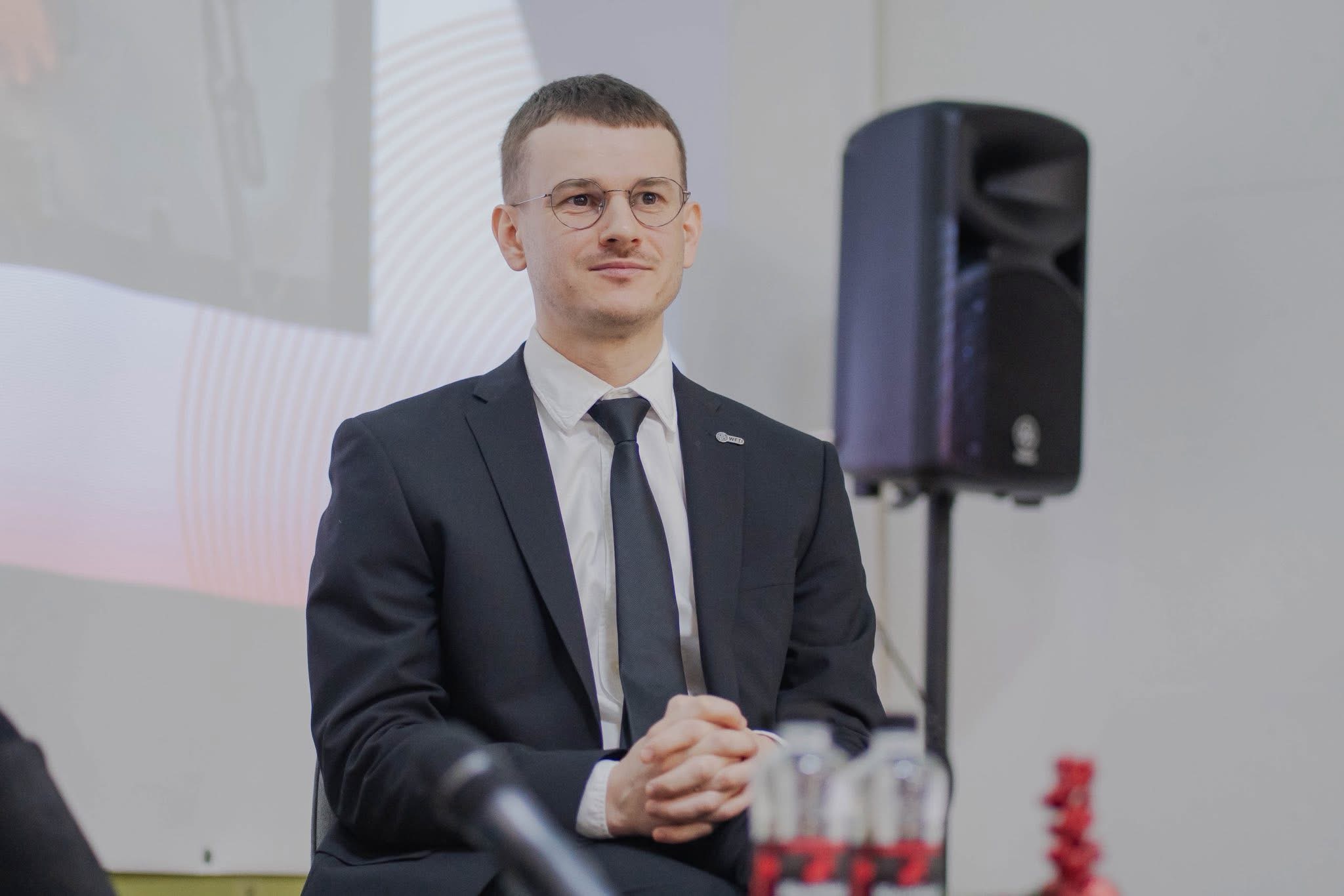
About the role of civil society in shaping the rules of interaction between veterans, political parties, and the state spoke Vasyl Sehin, representative of the Westminster Foundation for Democracy (WFD). He emphasized that the issue of veteran agency is directly linked to the quality of democracy, social cohesion, and trust — a key resource in a country undergoing war and profound transformation. Relying on sociological research data, Sehin emphasized that veterans currently have the highest level of trust in Ukrainian society, which creates the conditions for their active participation in political life — provided that democratic standards and «red lines» important for social cohesion are respected.
«Sociology shows that veterans have the highest level of trust in society, and about 90% of citizens are ready to support the participation of veterans as election candidates. In fact, this is about the formation of a new political actor», — mentioned Vasyl Sehin.
He also emphasized that civil society clearly defines the boundaries of this participation: support for veterans does not imply a request for radicalism or authoritarian scenarios, but rather for educated, responsible, and ethical leadership capable of strengthening democracy even in conditions of war and future post-war reconstruction.
Olha Ajvazovska: it is not veterans who must adapt to politics — politics must change to meet the new reality.
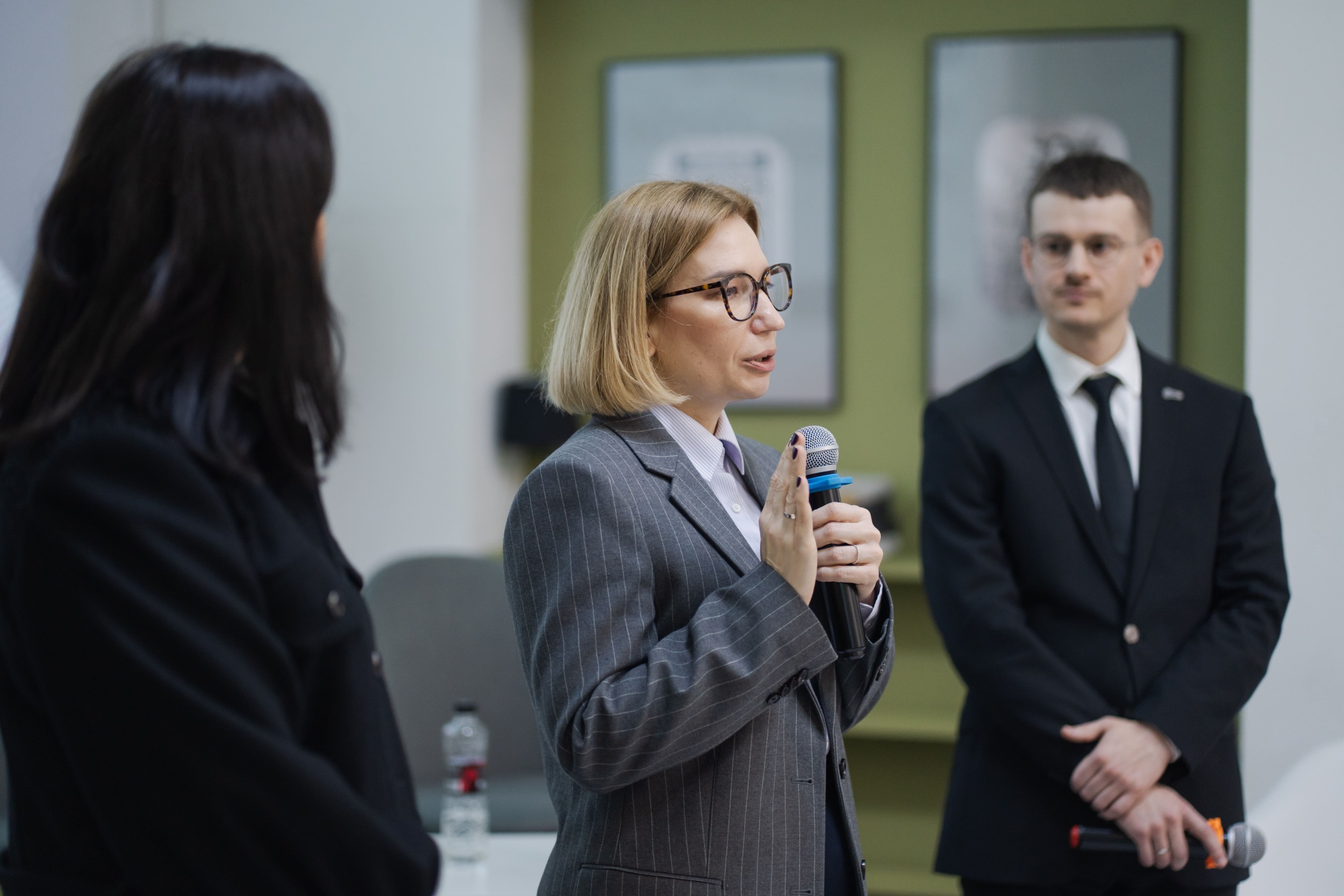
Chairperson of the Board of the Civil Network «OPORA» Olha Ajvazovska drew attention to the mistakes of previous political cycles, when veterans and military personnel were often formally involved in politics — as part of electoral lists and campaigns and without any real influence or proportional representation in decision-making. She stressed that today the key issue is not to create «special conditions» for veterans, but to transform politics and society itself more profoundly, which will never return to the pre-war state.
«Integration policy must be two-way between civilians and the military, and any ghettos of separate social groups will only weaken us. Everyone’s war experience is different, but no less valuable because of it. Our society and community will remain semi-militarized as long as the threat to our existence from Russia and its authoritarian regime persists. Politics is not dirty, it’s just that «dirty» people are involved in it. Therefore, veterans should go into politics, because it is possible to make mistakes, but not to deliberately harm the country for which they fought», — emphasized Olha Ajvazovska.
According to her, the new social contract must take into account different experiences of war, respect for it, and a willingness to build political dialogue based on security and defence.
«We must recognize that we are moving toward a model of militarized democracy. This is not a choice, but a condition for the survival of the state during the war and the post-war period», — she mentioned.
Larysa Ivshyna: post-war Ukraine requires changes in the entire society, not just in veteran policy
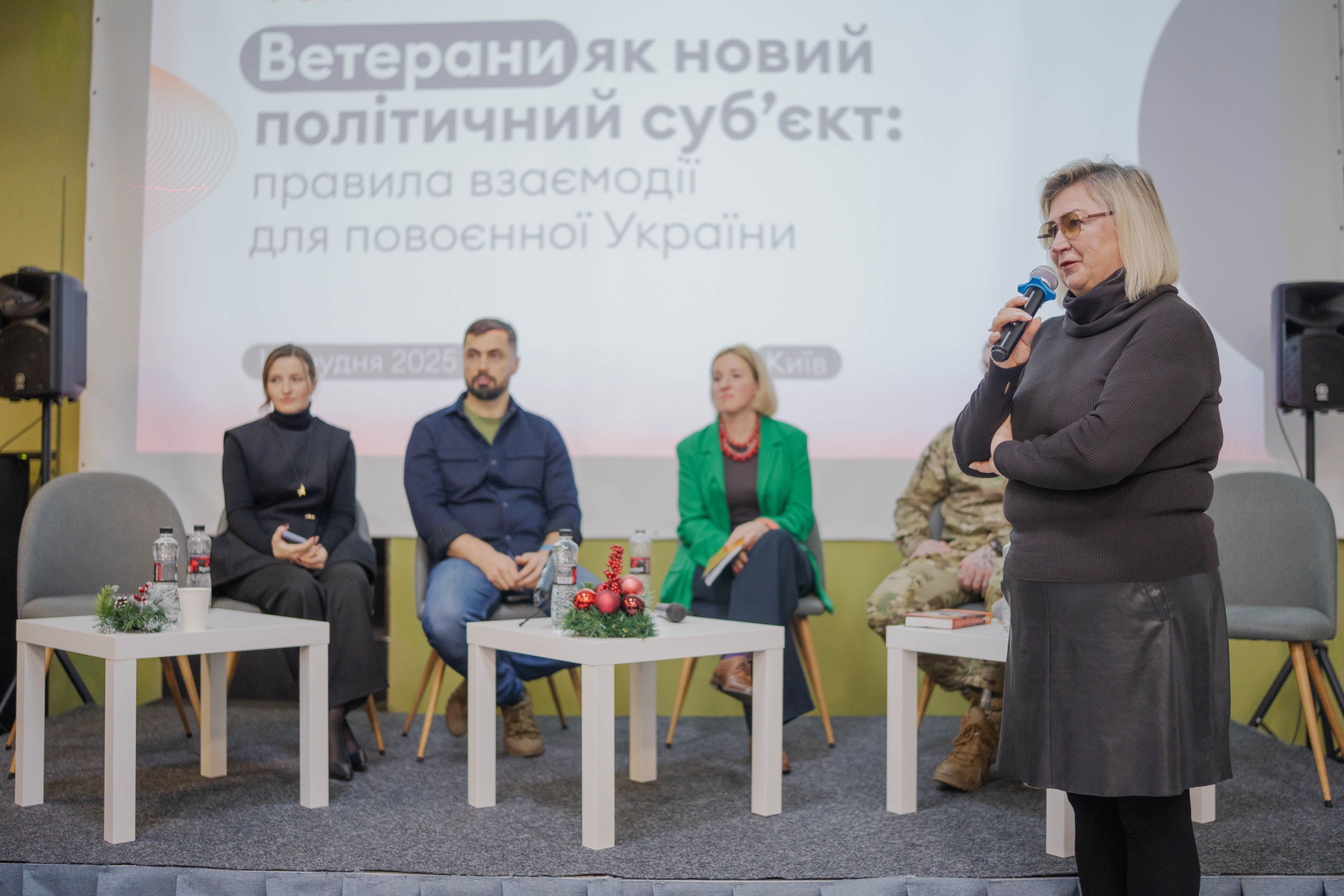
Larysa Ivshyna, Editor-in-Chief of the newspaper “Day,” emphasized that the conversation about veterans as a new political actor is impossible without a broader perspective on the country’s future.According to her, it is not only about veterans adapting to civilian life, but also about a profound transformation of the entire Ukrainian society, which must be ready to accept people with fundamentally new experiences of war.
She emphasised that strategic thinking about post-war Ukraine is necessary now, regardless of how scenarios unfold in Russia or how long the war lasts.
«We need to think about post-war Ukraine now — without relying on random scenarios. If Russia does not disappear as an empire, someone even worse could come to power there. So, we must be strict realists with a touch of idealism and prepare for the future of our country», — Larysa Ivshyna mentioned.
According to her, veterans are an important part of this future, but the post-war state will require changes not only from them, but from society as a whole — in politics, culture, responsibility and the ability to think strategically.
«When talking about veterans as a new political actor, we must understand: post-war Ukraine requires changes across the entire society. This is precisely the kind of environment that will be able to embrace veterans with new experiences», — she said.